- or $119 if paid with crypto -
Buy for MetaTrader 4- or buy from MQL5 App Store - stardust 2007 film
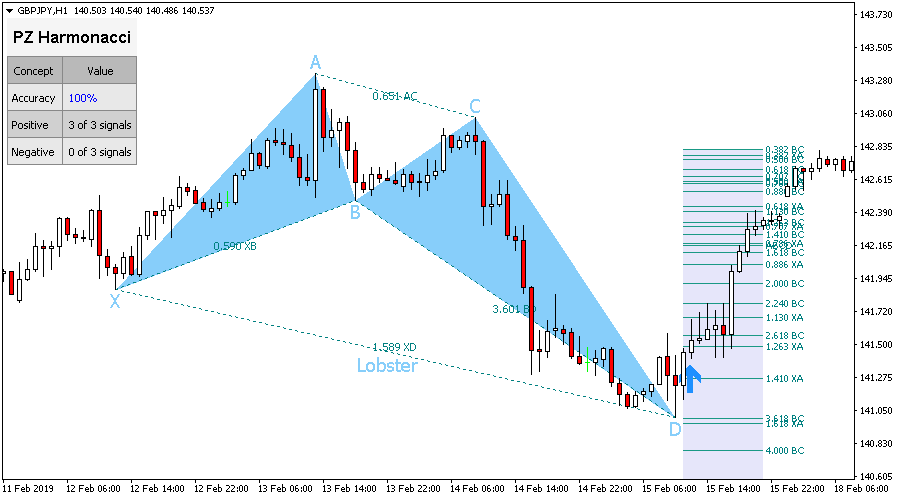
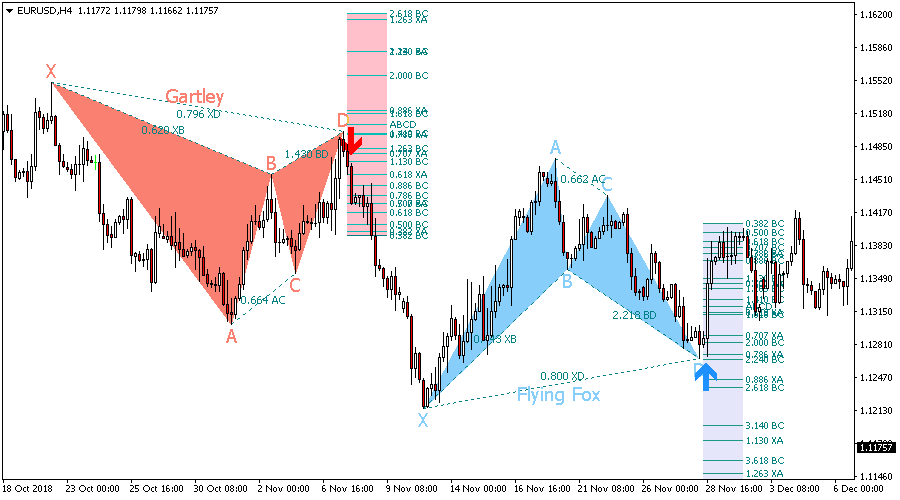
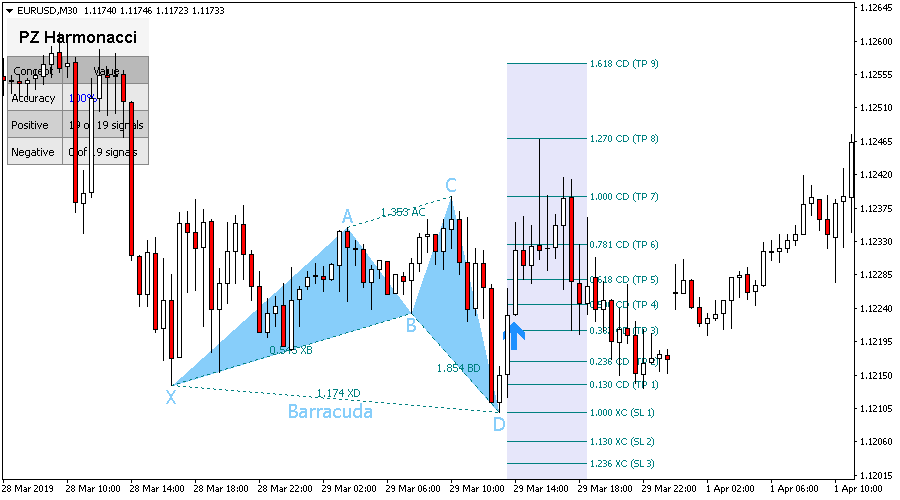
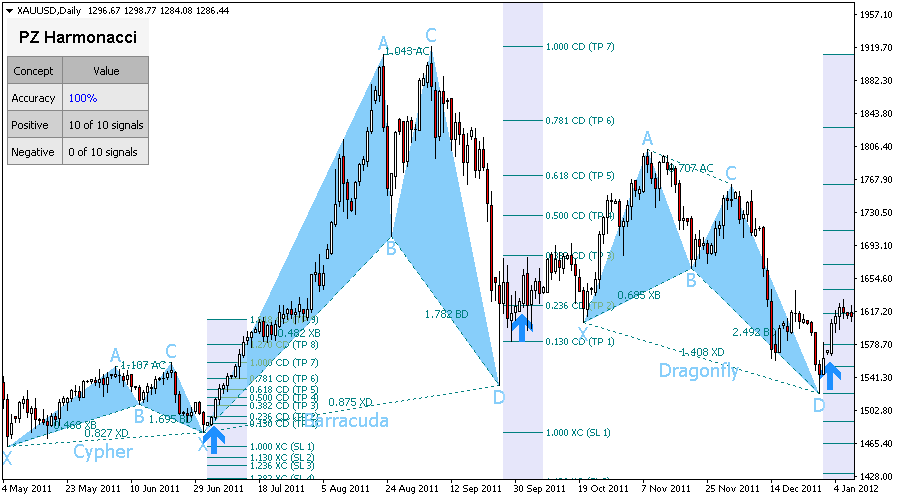
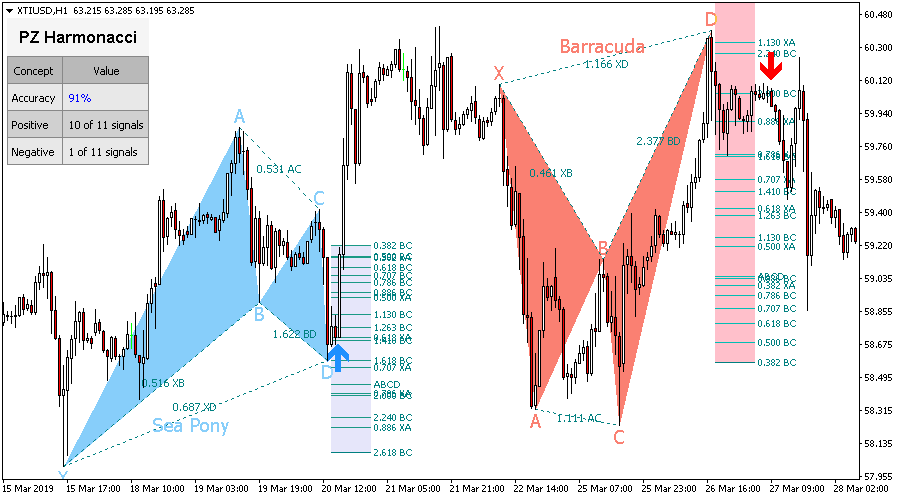
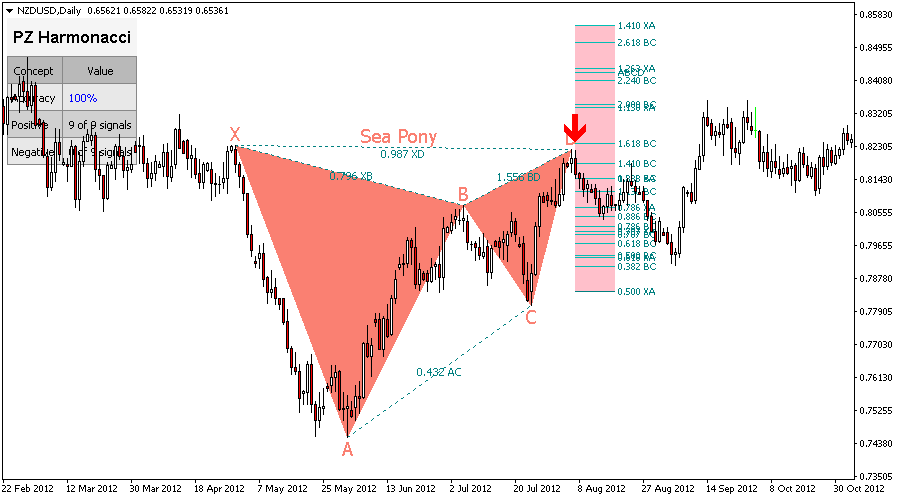
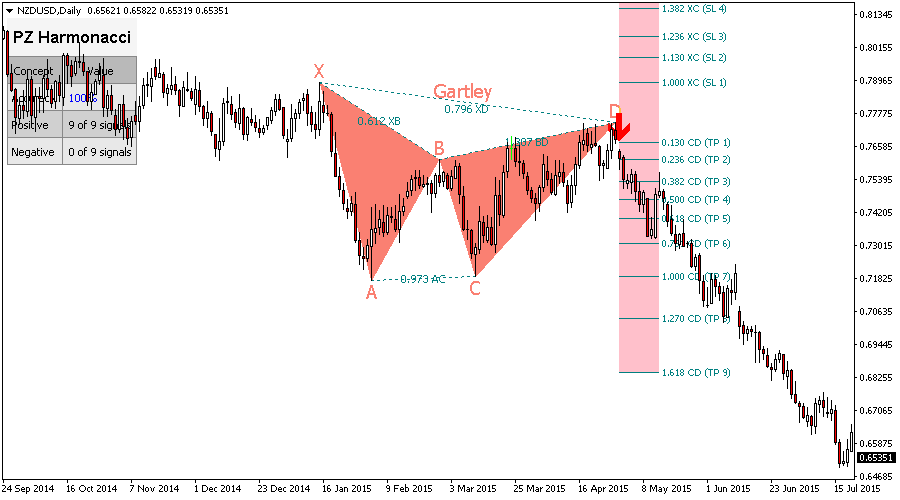
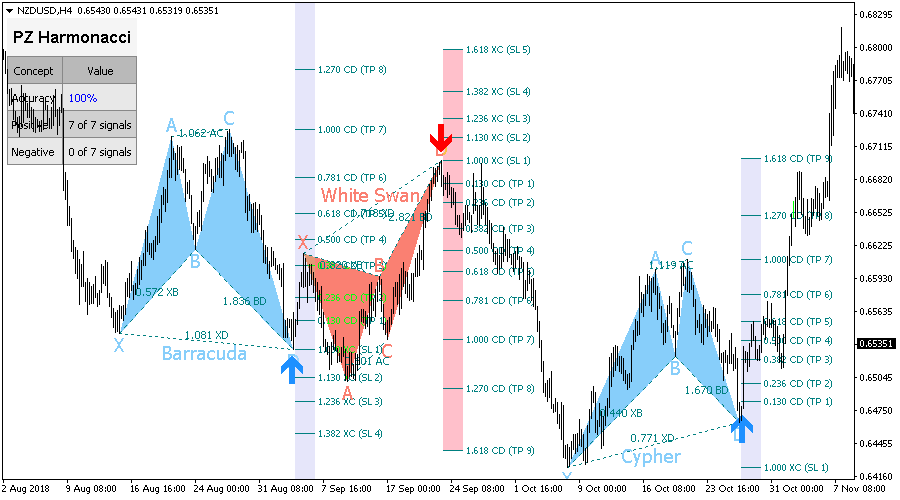
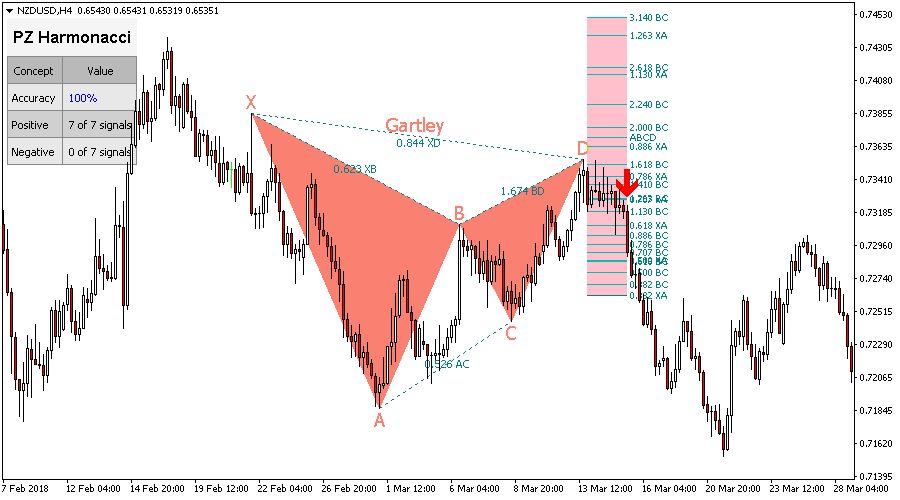
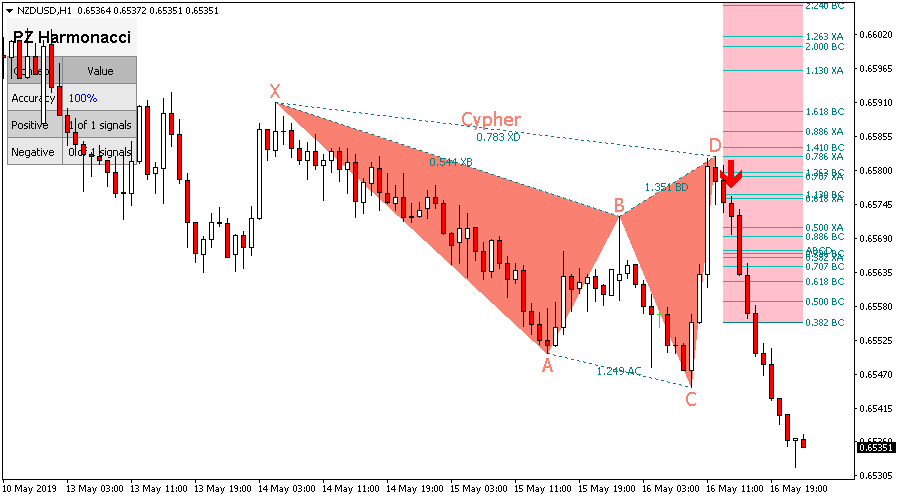
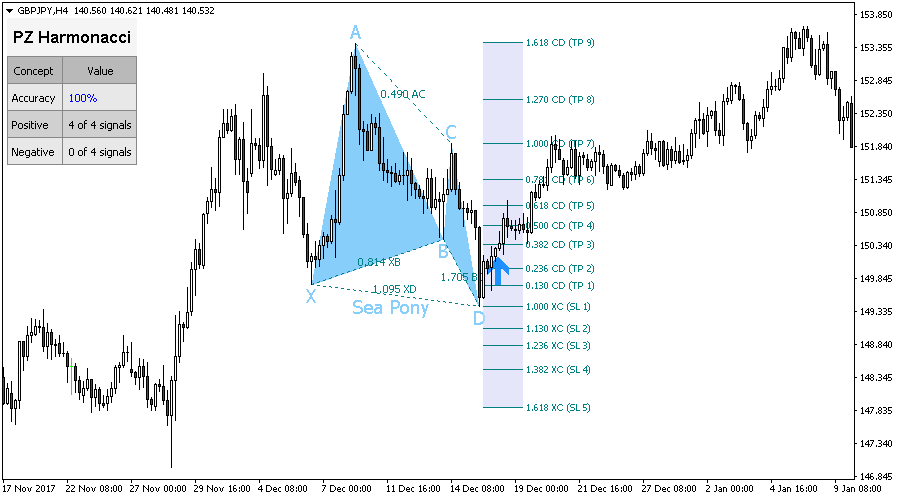
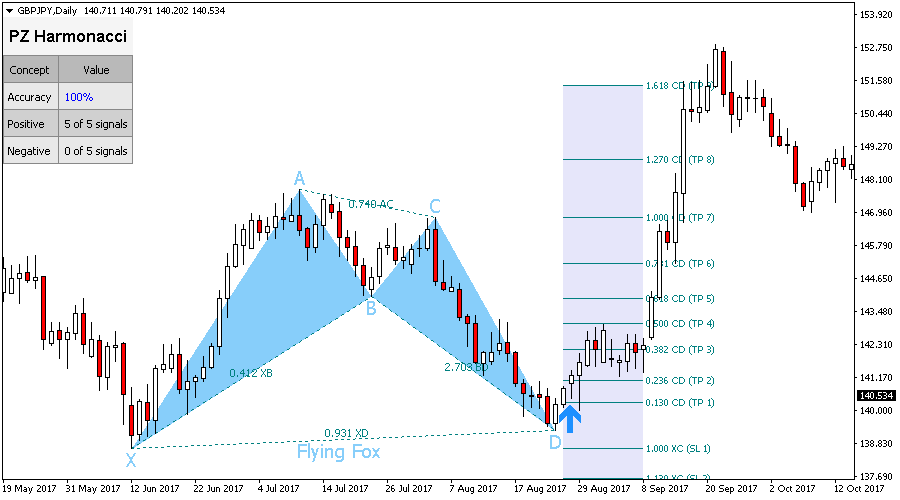
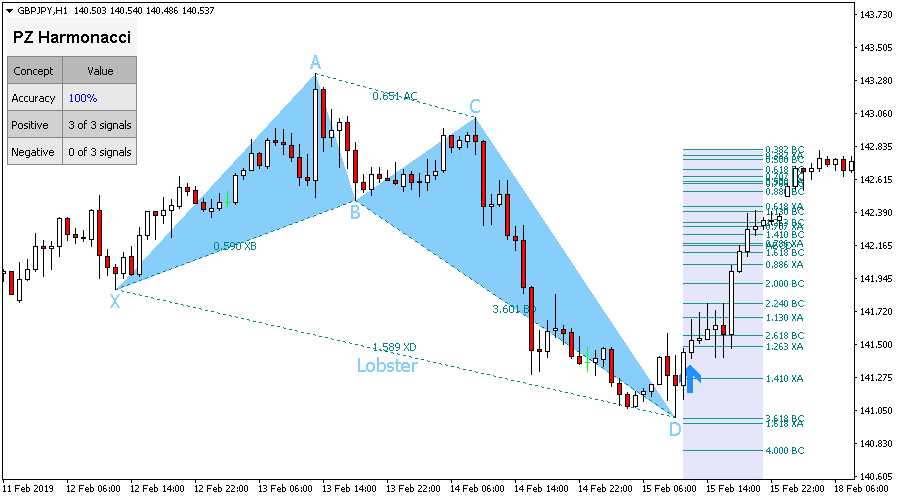
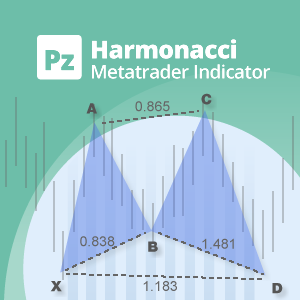
For MetaTrader 4 For MetaTrader 5If you're tired of chasing trades and second-guessing chart noise, this tool flips the script. Harmonacci Patterns does the heavy lifting: it hunts down 19 powerful harmonic price formations, draws the key reversal zones, and signals the breakout only when the setup makes sense. Matthew Vaughn’s Stardust (2007), based on Neil Gaiman’s
Matthew Vaughn’s Stardust (2007), based on Neil Gaiman’s illustrated novel, occupies a unique space in 2000s fantasy cinema. Often overshadowed by the Harry Potter and Lord of the Rings franchises, Stardust offers a sophisticated, self-aware deconstruction of classic fairy tale tropes. This paper argues that the film subverts traditional narrative expectations through three key mechanisms: its inversion of the heroic quest, its re-gendering of power and agency, and its use of metafictional irony. By blending romance, adventure, and comedy, Stardust ultimately functions as a postmodern fairy tale that questions the very structure of “happily ever after.”
Subverting the Fairy Tale: Narrative, Gender, and Metafiction in Matthew Vaughn’s Stardust (2007)
[Your Name] Course: [Film Studies / Fantasy Literature] Date: [Current Date]
Conversely, Yvaine begins as a passive object of pursuit but gradually assumes power. Her famous line, “What do stars do? They shine,” becomes literal when her light destroys Lamia. Unlike Disney’s sleeping beauties, Yvaine’s power is not given by a man but is intrinsic to her being. Tristan’s final act is not to save her but to share his mortality with her, an equal exchange. As film scholar Susan Napier notes, contemporary fantasy increasingly “rejects the damsel-in-distress archetype in favor of co-protagonists who rescue each other” (Napier, 2005).
Stardust (2007) endures because it refuses to patronize its audience. It delivers the promised romance (Tristan and Yvaine rule Stormhold together) but only after deconstructing every cliché en route. The film argues that “happily ever after” is not a given but a choice, made possible by mutual respect and self-knowledge. In an era of grimdark fantasy, Stardust remains a warm, witty reminder that subversion need not destroy wonder—it can renew it.
Axi is a globally regulated broker offering tight spreads, a wide range of instruments, segregated client funds, and full support for algorithmic traders.
Trade forex, indices, commodities, stocks, and crypto with raw spreads, lightning-fast execution, and leverage of up to 1:1000.
By trading your account, you are participating in Axi's free capital allocation program, which can fund you with up to $1,000,000. All you need is a $500 live account and to complete 20 trades to become eligible.
Good one. Better than all other indicators you have.
Very accurate signals.
I’m a veteran and have seen a lot of garbage, but this is by far one of the most useful tools I’ve come across. I rarely leave reviews, but this one truly deserves it.
The Harmonic Pattern tool works best on higher timeframes. With the right setup and patience, it delivers great signals. Support is quick and helpful.
I’ve used this indicator for 7 months. It’s extremely helpful and has made a noticeable difference in my results. I never trade without it anymore.
PZ indicators truly deliver. My Harmonics tool gave me 81% return in month one. Now my wife trades with them too. Just great tools!
PZ Harmonnaci is easy to use and has great customization options. It’s not a signal generator, but a perfect strategy companion.
PZ Harmonic changed my trading. I earned over 100 pips in just four days while keeping risk low. Finally enjoying my trades!
Bought the Harmonic indicator, placed two trades the first night, and gained 40 pips on each. So far, it’s looking very promising.
Matthew Vaughn’s Stardust (2007), based on Neil Gaiman’s illustrated novel, occupies a unique space in 2000s fantasy cinema. Often overshadowed by the Harry Potter and Lord of the Rings franchises, Stardust offers a sophisticated, self-aware deconstruction of classic fairy tale tropes. This paper argues that the film subverts traditional narrative expectations through three key mechanisms: its inversion of the heroic quest, its re-gendering of power and agency, and its use of metafictional irony. By blending romance, adventure, and comedy, Stardust ultimately functions as a postmodern fairy tale that questions the very structure of “happily ever after.”
Subverting the Fairy Tale: Narrative, Gender, and Metafiction in Matthew Vaughn’s Stardust (2007)
[Your Name] Course: [Film Studies / Fantasy Literature] Date: [Current Date]
Conversely, Yvaine begins as a passive object of pursuit but gradually assumes power. Her famous line, “What do stars do? They shine,” becomes literal when her light destroys Lamia. Unlike Disney’s sleeping beauties, Yvaine’s power is not given by a man but is intrinsic to her being. Tristan’s final act is not to save her but to share his mortality with her, an equal exchange. As film scholar Susan Napier notes, contemporary fantasy increasingly “rejects the damsel-in-distress archetype in favor of co-protagonists who rescue each other” (Napier, 2005).
Stardust (2007) endures because it refuses to patronize its audience. It delivers the promised romance (Tristan and Yvaine rule Stormhold together) but only after deconstructing every cliché en route. The film argues that “happily ever after” is not a given but a choice, made possible by mutual respect and self-knowledge. In an era of grimdark fantasy, Stardust remains a warm, witty reminder that subversion need not destroy wonder—it can renew it.