

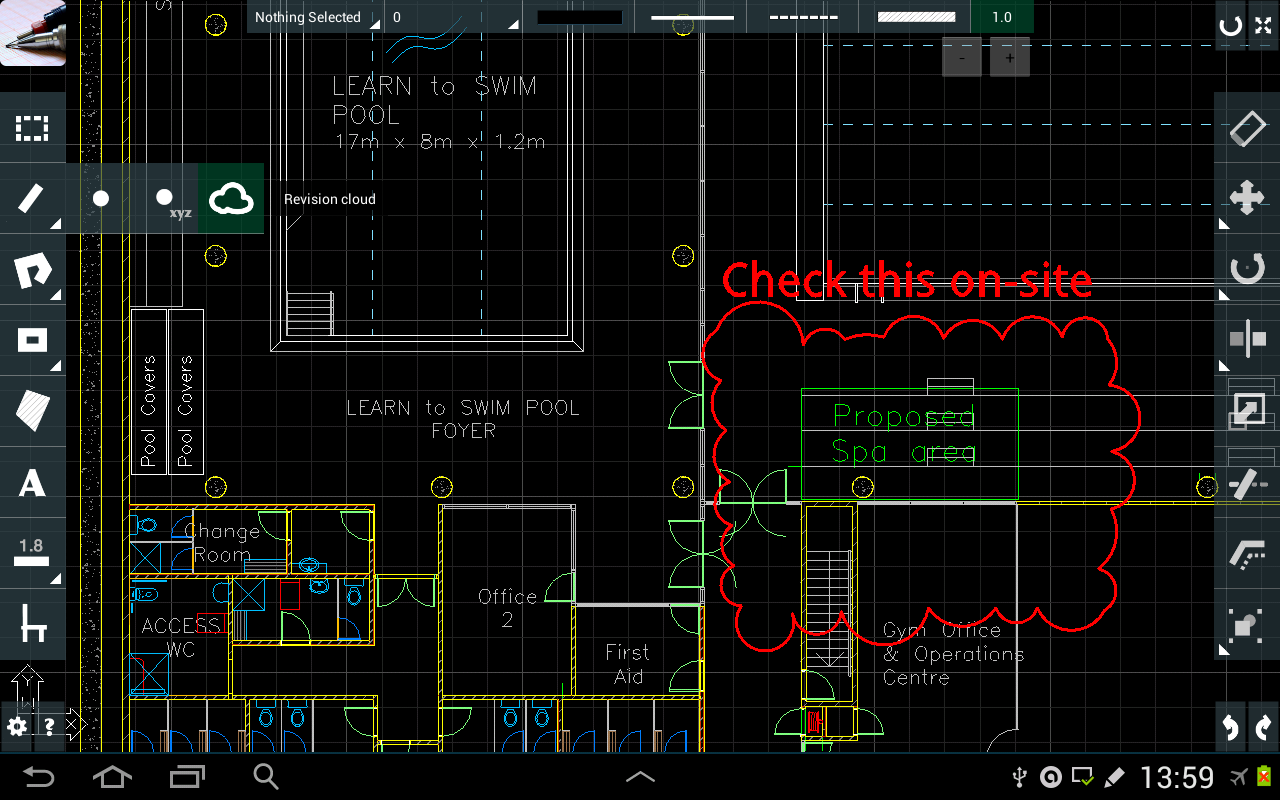
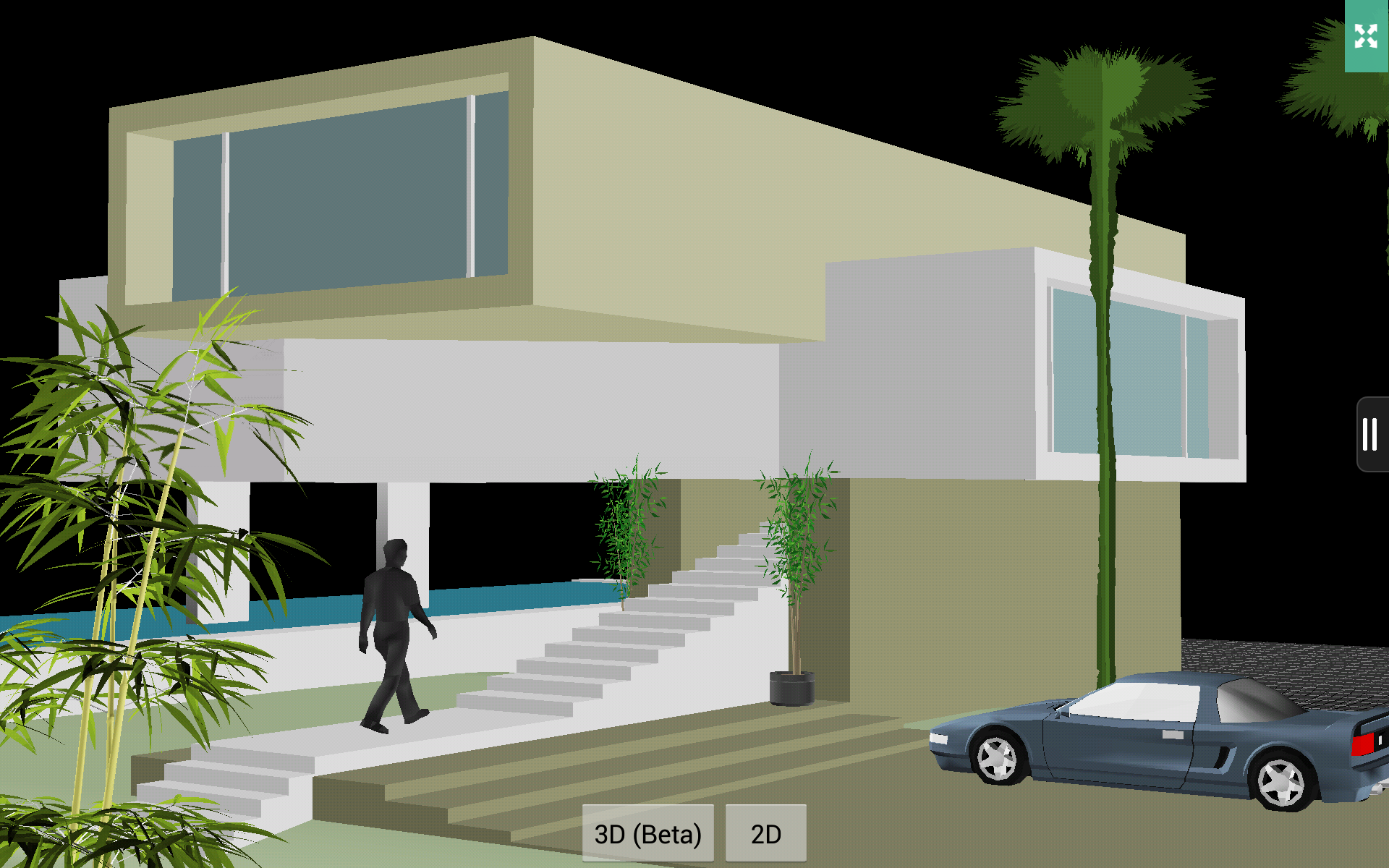
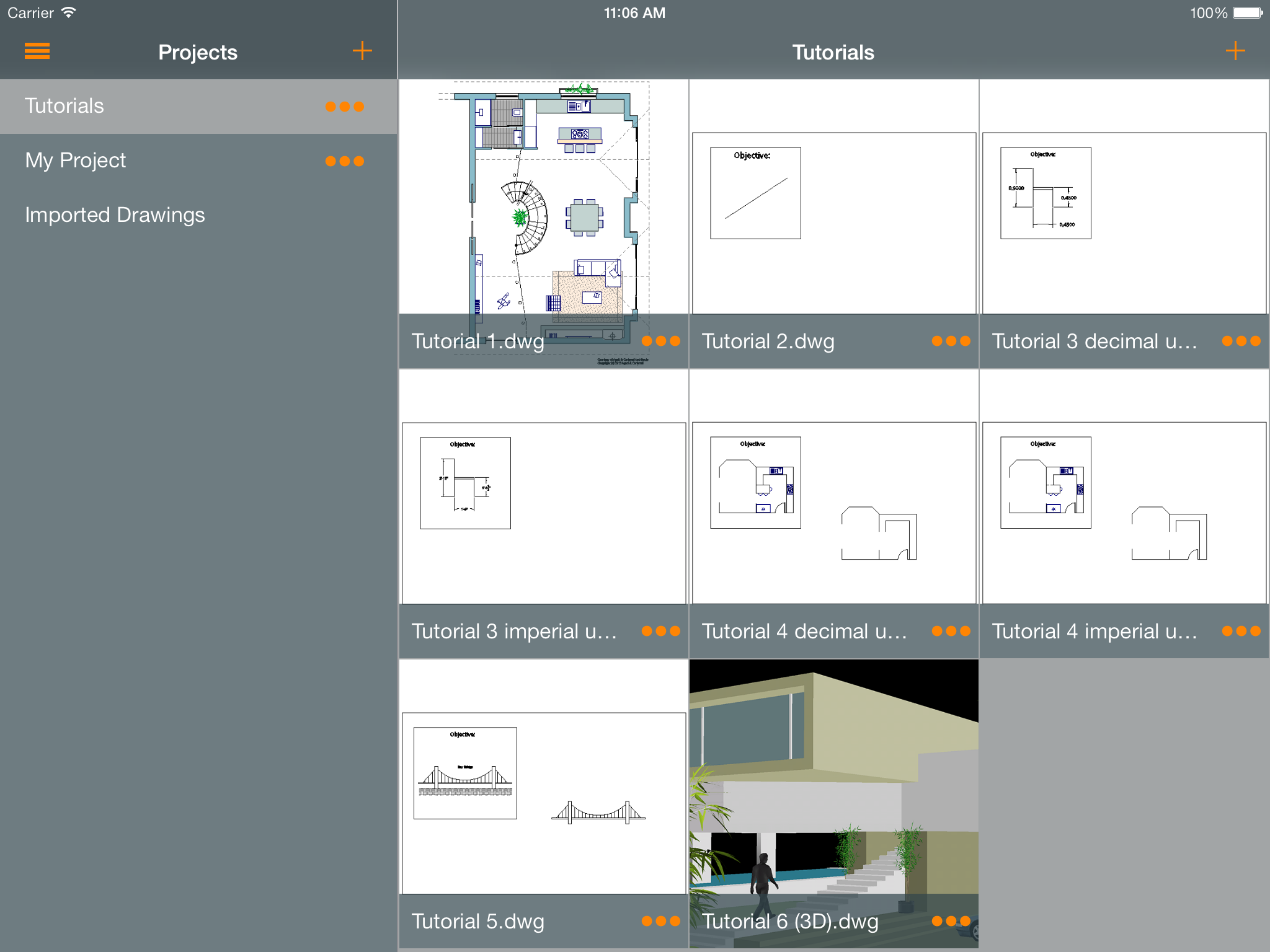
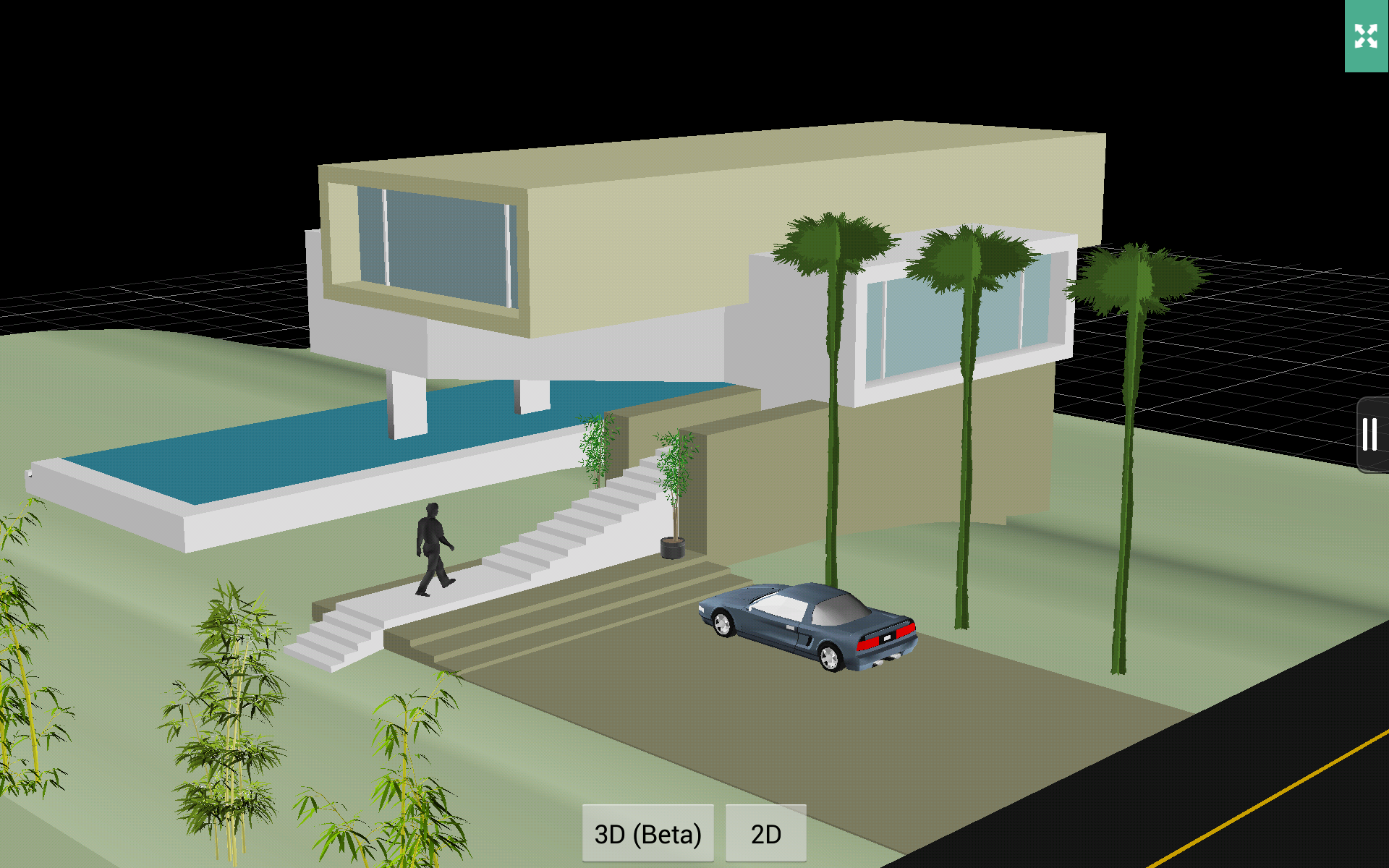
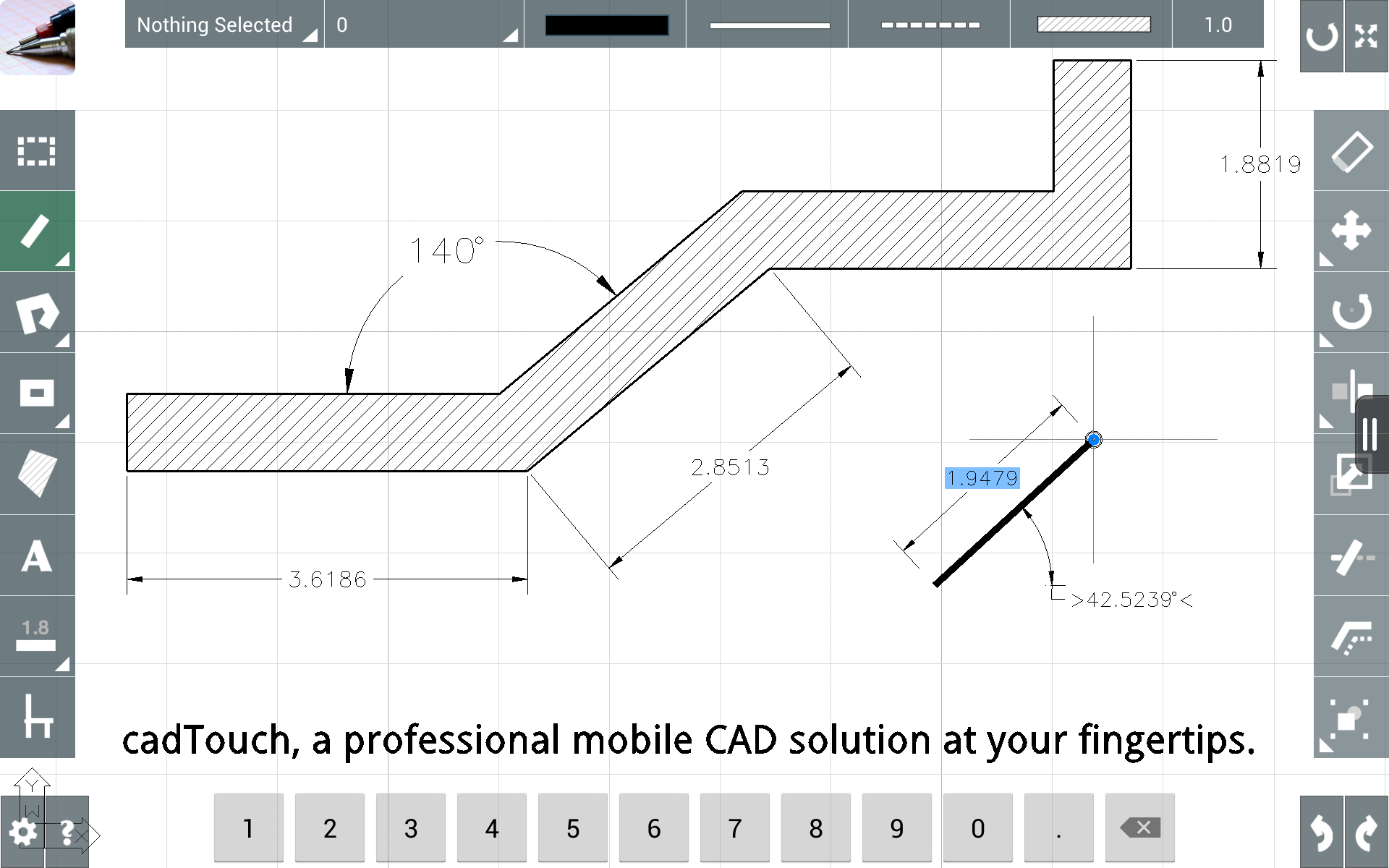
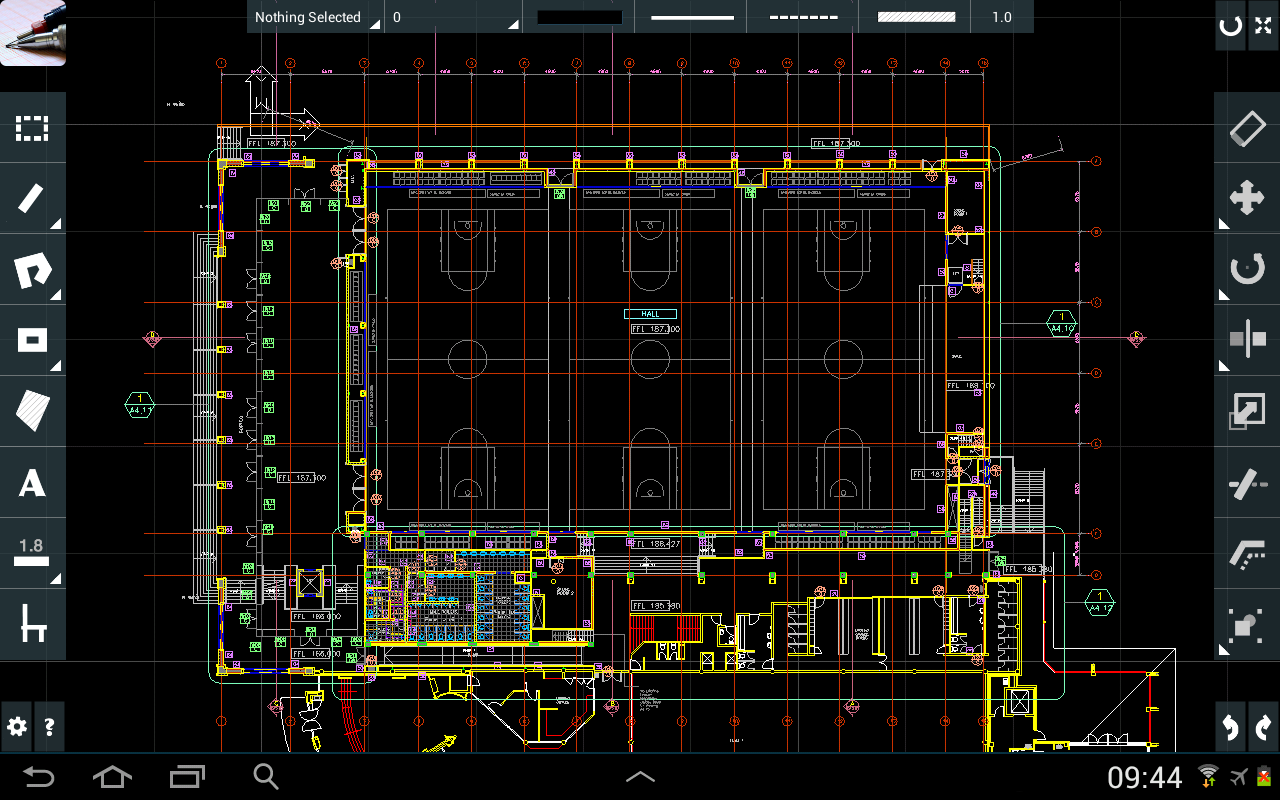
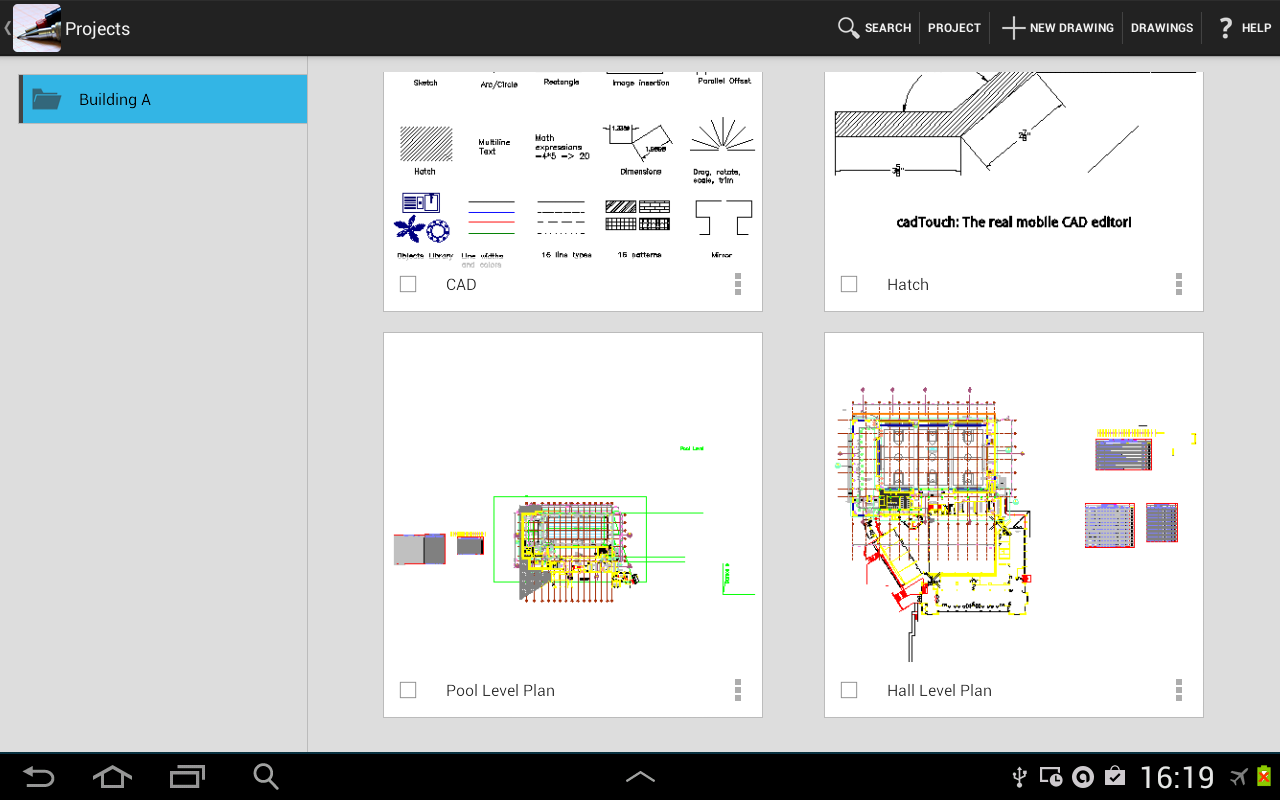
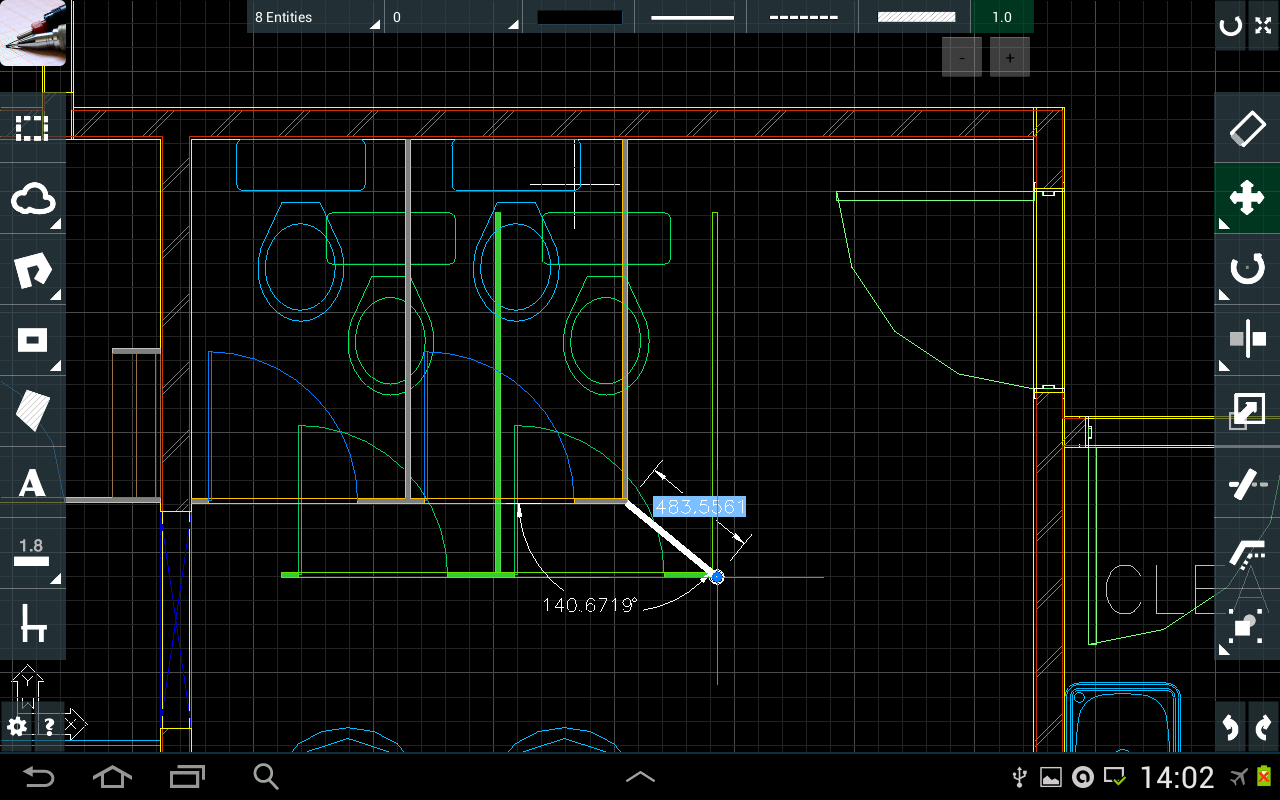
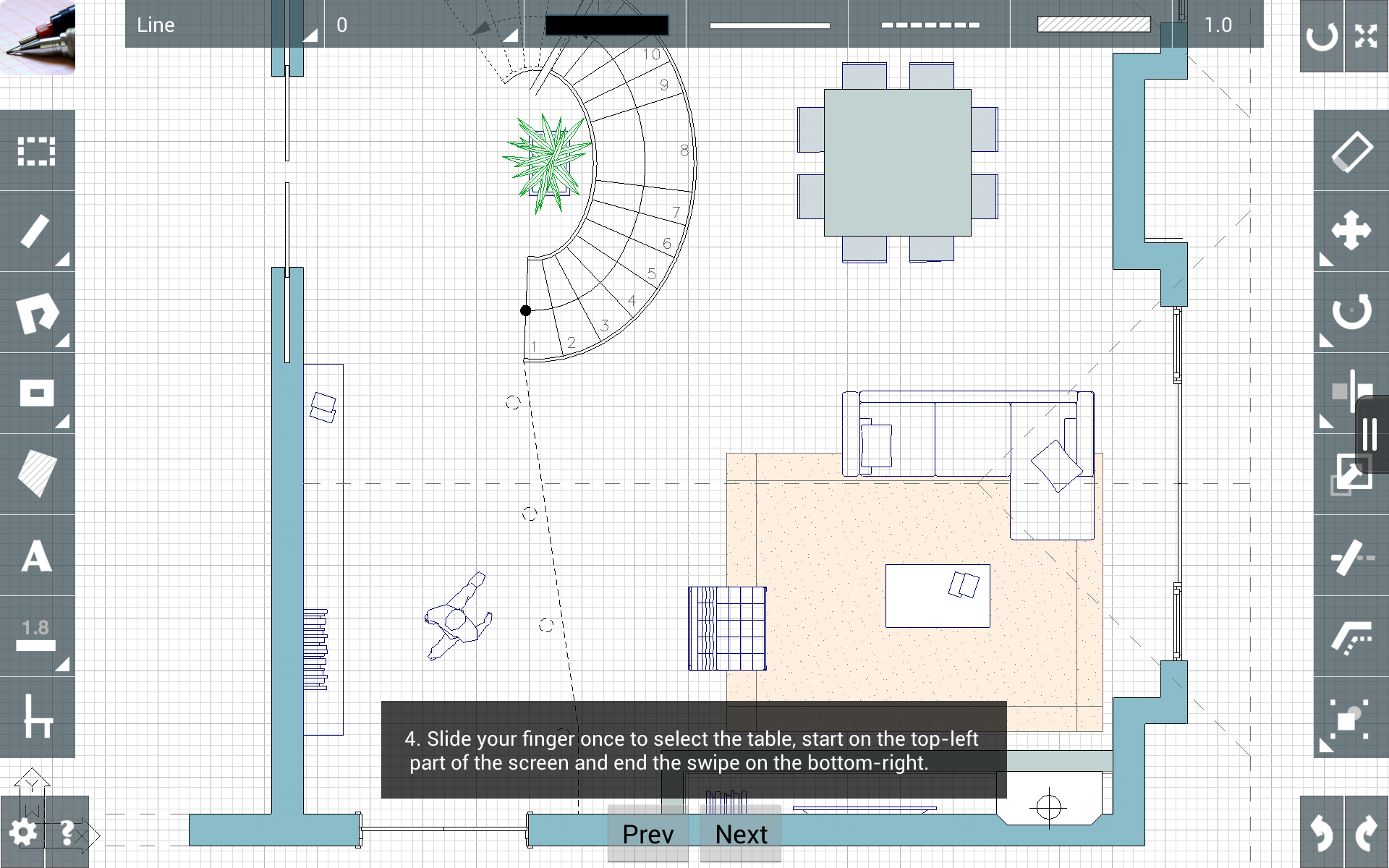
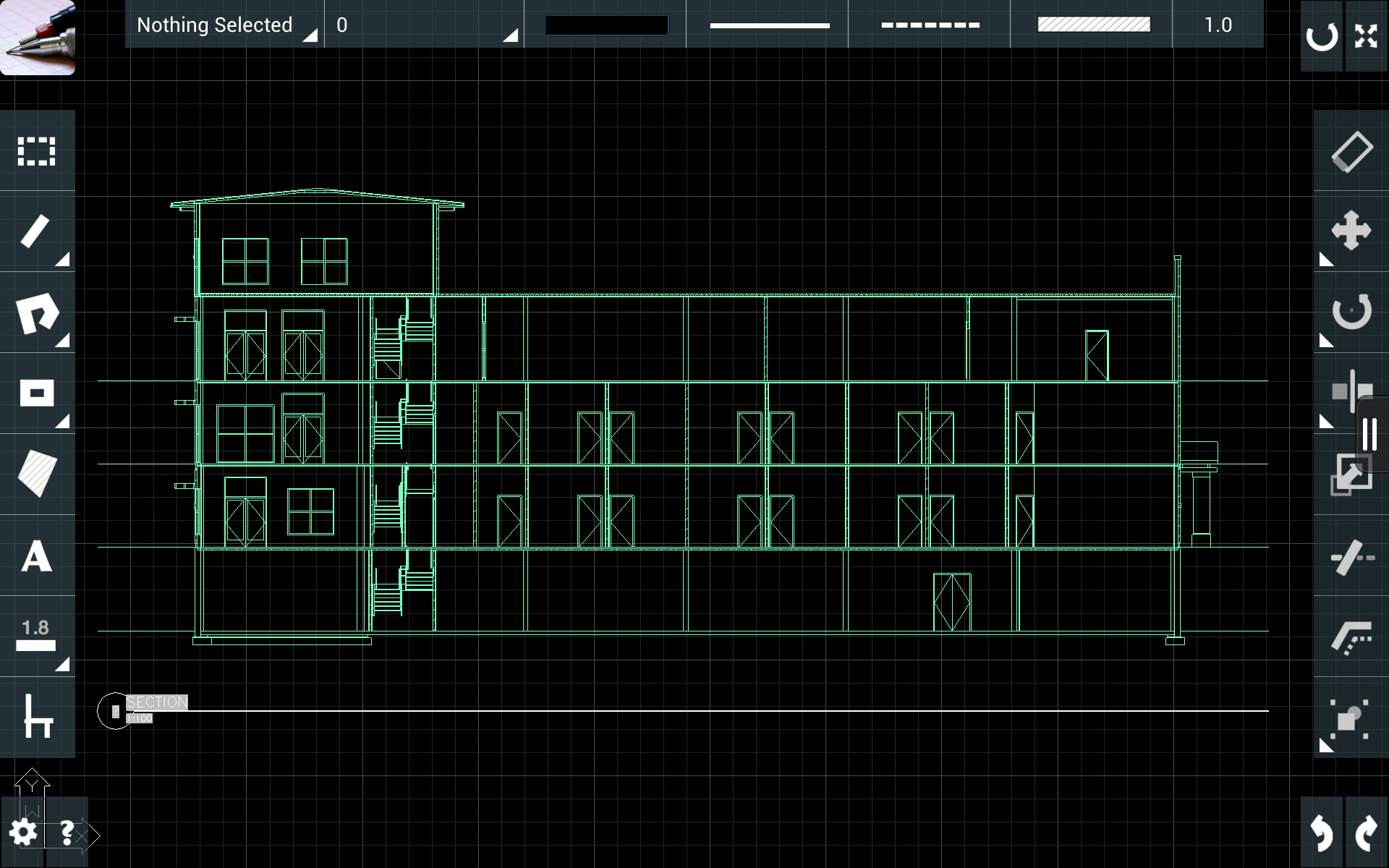
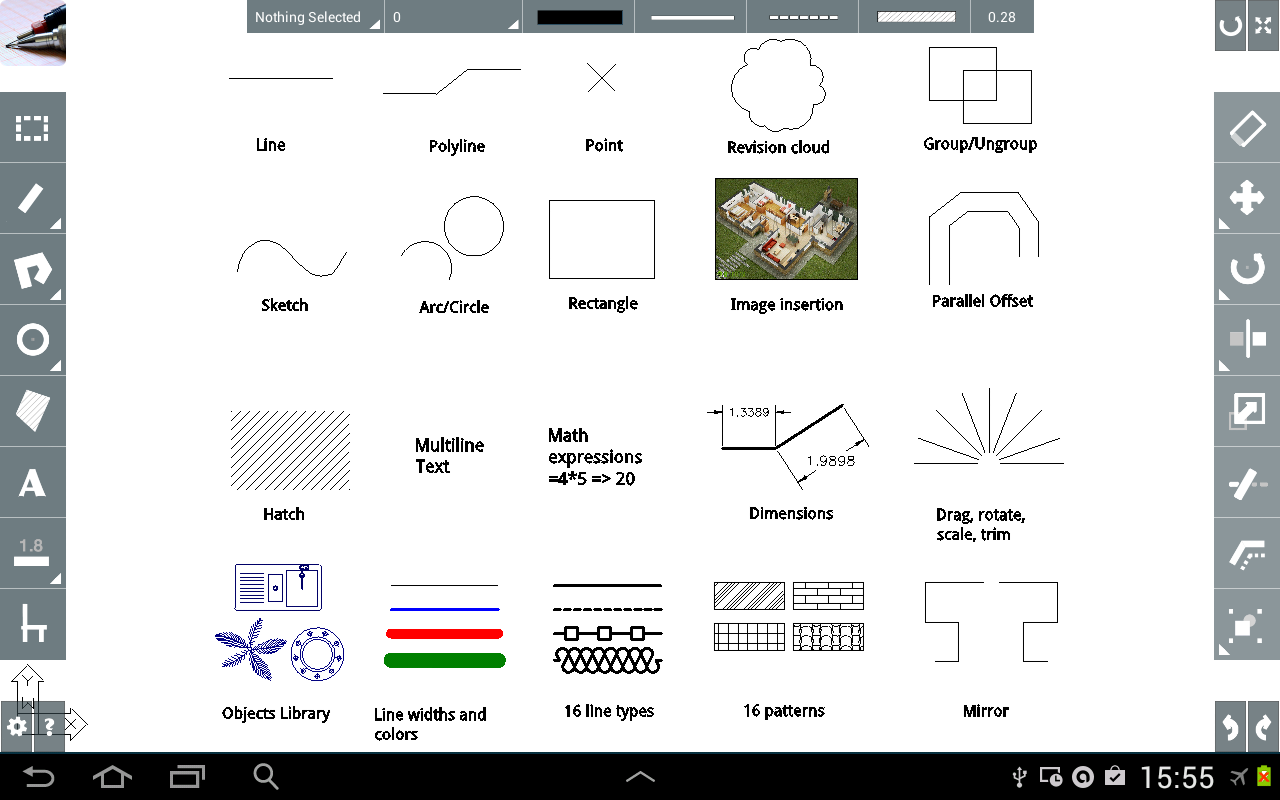
CAD Touch is a Pro CAD solution that completely reinvents on-site drawing, giving to professionals in various core fields like architecture, engineering, real estate, home design and more, the power to measure, draw and view their work on-site.
The AI operates on a deterministic state machine, not machine learning. Defenders move in predictable arcs; through-balls succeed based on mathematical angles, not random chance. This predictability becomes a . Conceding a goal feels less like “cheese” and more like failing a pattern-recognition test. Learning to dummy a pass, or to hold the sprint button (right soft key) only in straight lines, becomes a form of folk knowledge passed among schoolyard players sharing .jar files via Bluetooth.
The famous “corner kick bicycle kick glitch” (where a perfectly timed volley from a short corner could beat any keeper) was not a bug—it became a legend. In an era without live patches, these quirks became the game’s oral history. Modern sports games bury you in spreadsheets: Ultimate Team cards, chemistry styles, and stamina bars. Real Football 2010 offers a Season Mode of roughly 30 matches, a simple transfer market (buy player, sell player), and a training mini-game. That is all. real football 2010 java game 240x320
Yet, within that void, your imagination built the narrative. You invented rivalries with “London FC” (clearly Arsenal). You mourned when your pixelated striker—a generic #9—got a “red card” (a still icon of a card). Because the game could not show you a press conference, it forced you to create the story. This is the essence of : the game’s limitations became the engine of its emotional depth. 4. The Historical Crossroads: 2010 as a Pivot Year To play Real Football 2010 today is to experience a ghost of the mobile industry’s hinge point. 2010 was the year of the iPhone 4 and Android 2.2. Java ME was dying. Gameloft, once king of the feature phone, would soon pivot to freemium touch games. The AI operates on a deterministic state machine,
The pitch was finite, but the play was infinite. That is the real legacy of this small, brilliant game. Conceding a goal feels less like “cheese” and
In the sprawling, photorealistic landscape of modern sports gaming—where stadiums are ray-traced and players sweat in 4K—it is easy to dismiss a 240x320 pixel Java game as a technological fossil. Yet, to overlook Real Football 2010 (Gameloft) is to miss a masterclass in computational minimalism. Released at the twilight of the Java ME (Micro Edition) era, this game did not merely survive the limitations of pre-smartphone hardware; it weaponized them. On a tiny LCD screen, with less RAM than a single modern webpage image, Real Football 2010 delivered a tactile, strategic, and emotionally resonant simulation of the world’s sport—proving that game design is not about power, but about priorities. 1. The Geometry of Small Screens: UX as Spatial Poetry The first genius of RF2010 lies in its user interface. The 240x320 resolution forced a radical rethinking of the pitch. Instead of shrinking 22 players into a muddy mess of pixels, Gameloft employed a dynamic camera zoom: it pulled back for buildup play and zoomed in for final-third action. This created a rhythm—a breath—that modern fixed-angle cameras often lack.
Thus, RF2010 stands as a last testament to a design philosophy that vanished: . No loot boxes. No daily login rewards. Just you, the D-pad, and 90 minutes (compressed to 5) of simulated football. It respected your time and your intelligence. Conclusion: The Pixel Pitch as Permanent Archive Real Football 2010 for 240x320 is not a “better” game than EA FC 25 . But it is a purer one. In reducing football to its core loops—pass, move, shoot, defend—and stripping away all cinematic fat, it revealed the skeleton of the sport itself. Playing it today on a J2ME emulator, you realize: the most advanced physics engine ever written cannot match the drama of a 95th-minute header scored by a sprite with four animation frames.
CAD Touch was discontinued in 2018.
Thanks to over 2.5 million users for using CAD Touch (launched in November 2008 as the very first mobile phone CAD application ever) for all these great years together!
Martin