vesti

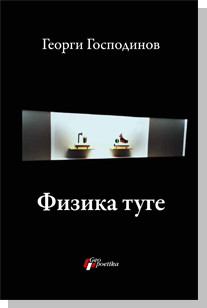
Fizika tuge

Georgi Gospodinov

Prevela s bugarskog Ivana Stoičkov

Godina izdanja: 2013

Format (cm): 20cm

Broj Strana: 344

ISBN: 978-86-6145-143-0

Cena: Rasprodato

Već na prvi pogled jasno je da je pred nama moderan roman. A koliko je još i moderniji na drugi pogled?
Gospodinov bez zazora preispituje granice žanra. To čini tako da nam se čini kao da je ovo jedan od poslednjih pokušaja da se dokaže da roman kao književni rod ima još oblika za izmišljanje, obogaćivanje i pokazivanje. Autor istovremeno lakonski i temeljno preispituje roman kao oblik književnog istraživanja, dovodeći ga u ozbiljnu sumnju, te ga potom, tako negiranog, uspostavlja u jednom novom melanžu. Fizika tuge nije više i samo eksperiment; ona je nova romaneskna vrednost. Istorija književnosti verovatno će ga jednoga dana označiti kao: a) prekretnički roman, b) izdajnički roman, ili v) jedan od poslednjih romana koji bi da obuhvate - sve.
Ovaj pre svega poetičan roman, vrlo tanane duše, priča je o fizici ali i metafizici tuge. Čine ga: montaža, kinematografska struktura, pauze, grafika, simboli, tišina, prividna fragmentarnost, samoća, minotaurska napuštenost, lavirinti, antički mitovi, praznina. To je istorija sveta ispričana pogledom nevažnih događaja, netipičnih stvorenja (od puževa do dinosaura i ljudi). U zbiru svega glavni junak je Ja smo. To ja smo ključ je romana: ono je oscilirajuće klatno između prvog i trećeg lica, jednine i množine. Autorska snaga, koja je u svim pričama i telima ove knjige, mnogo je šira od tzv. Sveznajućeg autora.
Roman - vremenska kapsula. Roman u koji se zaljubljuje.
Ako je originalni i uspešni Prirodni roman G. Gospodinova, preveden na 20 jezika, od kojih je srpski bio prvi u svetu (Geopoetika, 2001), bio postmoderan u najplemenitijem smislu reči, Fizika tuge je roman apokaliptičan u najrevolucionarnijem značenju reči.  orange movie background music ringtone download

Orange Movie Background Music Ringtone Download -

Arjun had been searching for hours. His phone’s ringtone — a default, soulless jingle — grated on him every time it broke the silence of his tiny apartment. What he needed was something else. Something that felt like him .

The next morning, the phone rang while he was buying coffee. The orange-hued tune floated through the café. The barista looked up. “What is that?” she asked, smiling.

The results bloomed like autumn leaves. Buried under ads and spammy sites, a small blog caught his eye. The post was from seven years ago, written by someone named Meera. She described a film she’d never forgotten — not the plot, but its soul: the color orange. Sunsets, dust storms, a single marigold floating in a cup of tea. And the background music — a low, humming cello that rose into a hopeful piano phrase whenever the protagonist chose to live again.

The melody was strange. Lonely, then warm. It didn’t loop perfectly. You could hear the hiss of an old recording, maybe even rain in the background. But it was alive .

Arjun never found the movie. But every time his phone rang, the world stopped for a few seconds — and he felt like the main character in a story only he could hear.

And it all started with five words typed into a sleepy search bar. If you’d like, I can also write a version that directly explains why people search for that phrase (e.g., nostalgia, fandom for an “Orange Movie,” ringtone customization culture). Just let me know.

But that wasn’t quite true. Over the next week, three strangers recognized the ringtone. Each had a different story: a film student, a retired projectionist, a woman who said the music had played during her mother’s last sunset. None of them could agree on the movie’s name. Some said it was never released. Others swore it only played once, at a film festival that lost its reels in a flood.

Ostale knjige iz edicije - Svet proze

Arjun had been searching for hours. His phone’s ringtone — a default, soulless jingle — grated on him every time it broke the silence of his tiny apartment. What he needed was something else. Something that felt like him .

The next morning, the phone rang while he was buying coffee. The orange-hued tune floated through the café. The barista looked up. “What is that?” she asked, smiling.

The results bloomed like autumn leaves. Buried under ads and spammy sites, a small blog caught his eye. The post was from seven years ago, written by someone named Meera. She described a film she’d never forgotten — not the plot, but its soul: the color orange. Sunsets, dust storms, a single marigold floating in a cup of tea. And the background music — a low, humming cello that rose into a hopeful piano phrase whenever the protagonist chose to live again.

The melody was strange. Lonely, then warm. It didn’t loop perfectly. You could hear the hiss of an old recording, maybe even rain in the background. But it was alive .

Arjun never found the movie. But every time his phone rang, the world stopped for a few seconds — and he felt like the main character in a story only he could hear.

And it all started with five words typed into a sleepy search bar. If you’d like, I can also write a version that directly explains why people search for that phrase (e.g., nostalgia, fandom for an “Orange Movie,” ringtone customization culture). Just let me know.

But that wasn’t quite true. Over the next week, three strangers recognized the ringtone. Each had a different story: a film student, a retired projectionist, a woman who said the music had played during her mother’s last sunset. None of them could agree on the movie’s name. Some said it was never released. Others swore it only played once, at a film festival that lost its reels in a flood.