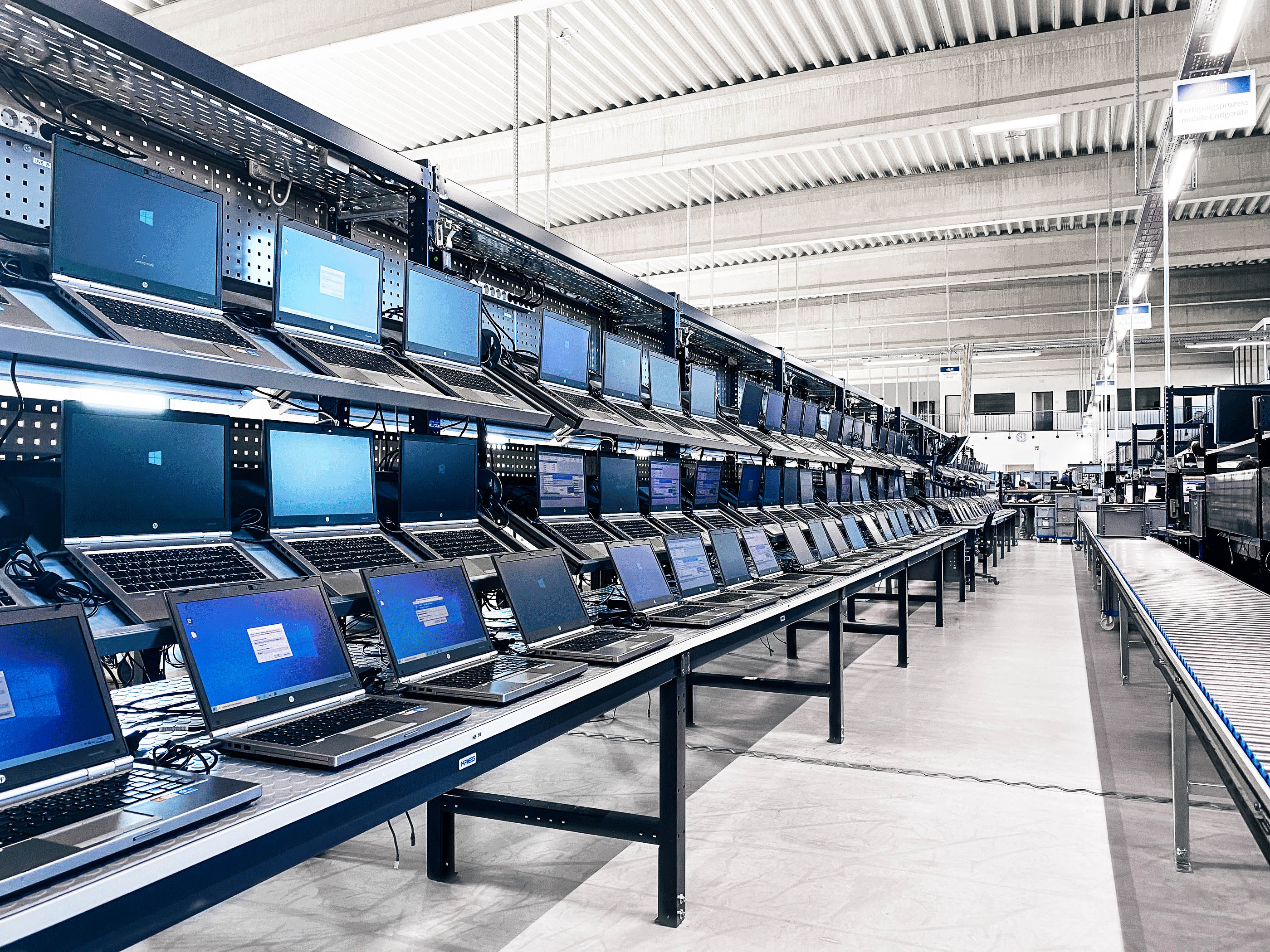
Wir kaufen gebrauchte Business-IT, werten sie zu Premium-Refurbished-IT auf und geben sie zu attraktiven Konditionen in den zweiten Lebenszyklus. Das spart Geld und wertvolle Ressourcen.


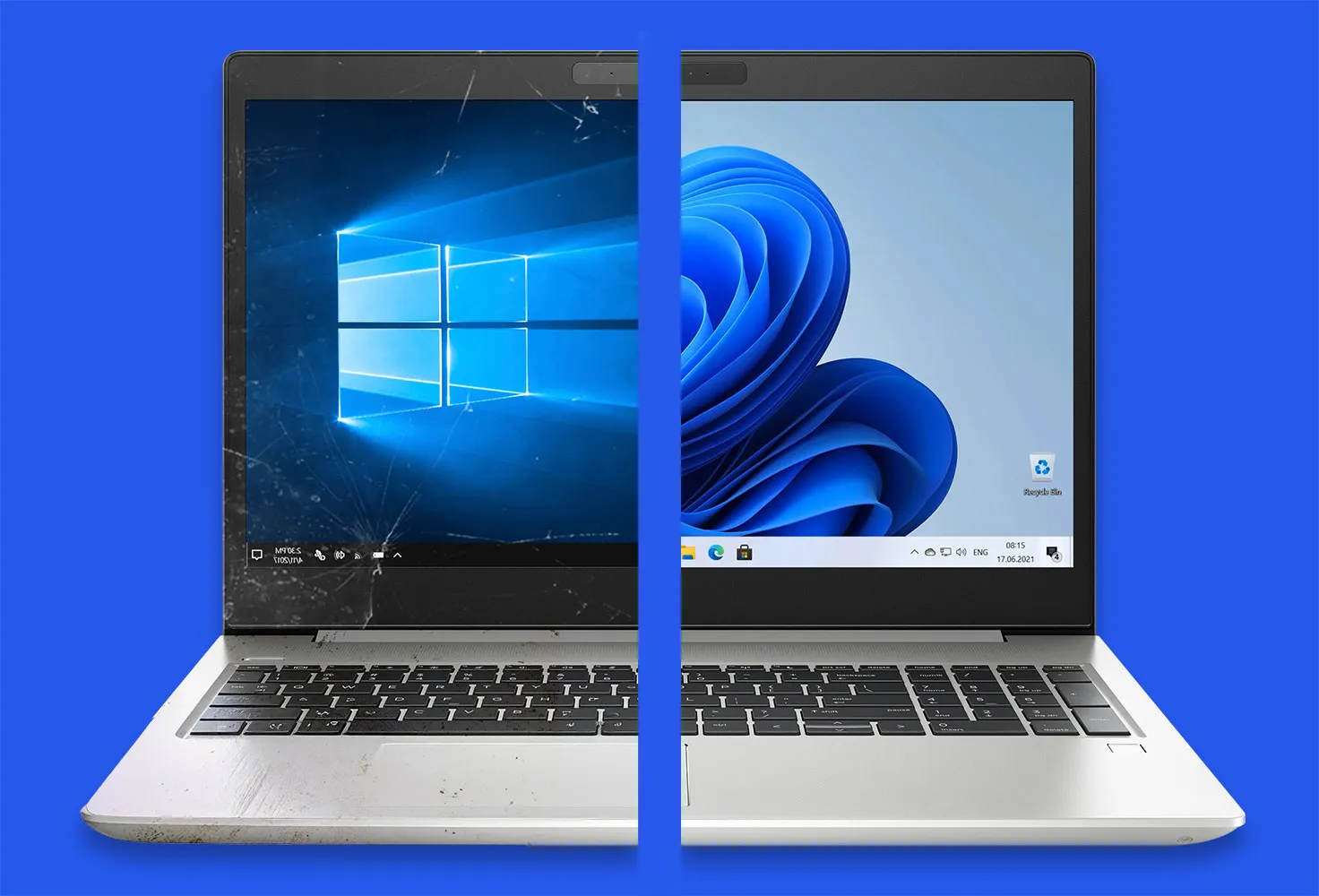
Bye bye, Windows 10!
Hallo,
Windows 11!
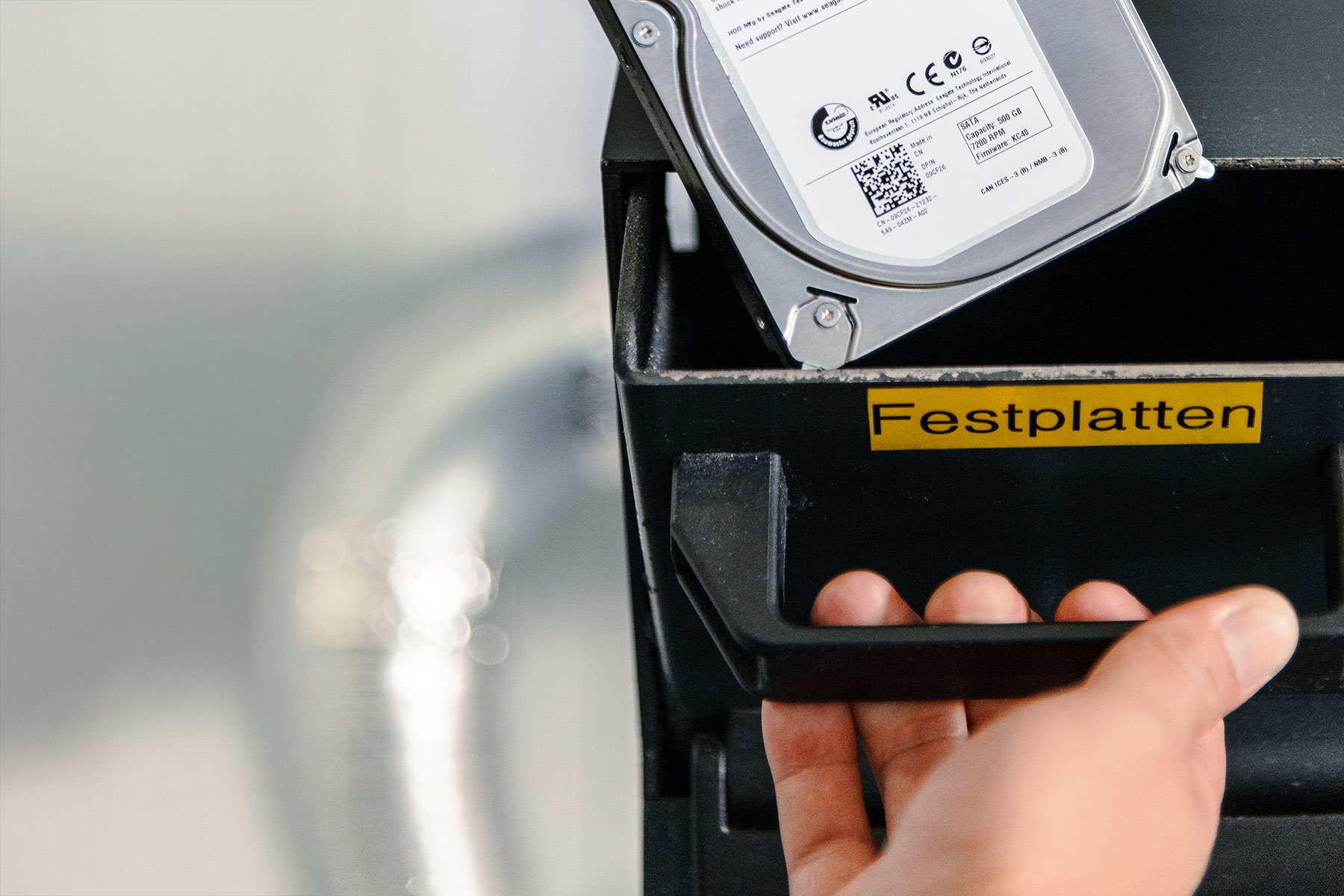
Unser ganzheitliches Löschungs-Konzept umfasst Abholung, Auditierung, Datenvernichtung, Aufbereitung und Vermarktung – effizient und sicher.
Dank modernster Technik und eigener Software in unserem Technologiecenter vermarkten wir gebrauchte IT datensicher und transparent wieder oder führen sie verantwortungsvoll dem Wertstoffkreislauf zu.
Seit mehr als 25 Jahren unterstützen wir Unternehmen dabei, ihre gebrauchte IT sicher und effizient wiederzuverwerten oder fachgerecht zu entsorgen. Dabei legen wir besonderes Augenmerk auf Datensicherheit, Sorgfalt und verantwortungsbewusstes Handeln.

Wir verstehen uns als konstruktive Aktivisten, die sich gegen die Verschwendung von natürlichen Ressourcen im IT-Bereich und für den verantwortungsvollen Umgang mit Daten einsetzen.
So fördern wir die Kreislaufwirtschaft und bieten langlebige, qualitativ hochwertige IT-Lösungen.




The domain mssplus.mcafee.com is associated with McAfee’s security services, often used for product activation, subscription validation, or update checks. However, for some users, this domain represents an unwelcome background process: a persistent phone-home mechanism that consumes bandwidth, reports usage data, or re-enables trial nag screens after the user has opted for a different antivirus solution. By adding this entry to the hosts file, the user overrides legitimate DNS resolution. Instead of resolving to McAfee’s actual server IP, the domain is pointed to 0.0.0.1 .
What makes this specific line noteworthy is the choice of 0.0.0.1 over 0.0.0.0 or 127.0.0.1 . In many hosts file examples, 0.0.0.0 is used to block domains. But 0.0.0.1 carries a subtle subversion: it is just outside the standard “this host on this network” definition. Some older or poorly coded applications treat 0.0.0.1 as a valid but unreachable server, causing them to fail faster and with less logging than a loopback block. It is a piece of digital folklore, passed between privacy-focused forums as an optimized block. mssplus.mcafee.com 0.0.0.1 hosts
Of course, this power comes with responsibility. Misusing the hosts file can break critical services. Blocking mssplus.mcafee.com might prevent legitimate uninstallation or cause system logs to fill with failed connection attempts. Moreover, if the user actually wants McAfee’s protection, this line would be self-sabotage. The entry is most meaningful as a temporary measure or as part of a broader privacy toolkit, not as a permanent substitute for properly uninstalling unwanted software. The domain mssplus
At first glance, 0.0.0.1 looks like a mistake—an invalid address. In practice, it is a deliberate null route. Unlike 127.0.0.1 (localhost), which still involves a loopback network interface and might cause a service to wait for a timeout, 0.0.0.1 is a non-standard but effective black hole. When a program attempts to connect to that address, the operating system immediately rejects the attempt, often without any retry delay. For the user, the result is clean: McAfee’s background processes fail silently, unable to report telemetry or enforce an unwanted reactivation. Instead of resolving to McAfee’s actual server IP,
Beyond the technical outcome, the act of editing the hosts file represents a broader cultural stance. In an age of always-online software, automatic updates, and cloud-managed devices, the user is often reduced to a tenant rather than an owner of their hardware. Adding 0.0.0.1 mssplus.mcafee.com is a small declaration: “This connection is not welcome here.” It is a return to an older ethos of computing, where the person in front of the keyboard holds final authority over network traffic.
In the quiet architecture of every modern operating system lies a simple but powerful file called hosts . Older than DNS itself, this plaintext file acts as a local map, translating human-readable domain names into numerical IP addresses. One line, seemingly trivial— mssplus.mcafee.com 0.0.0.1 —can transform a user from a passive consumer of software into an active defender of their own digital environment.
Erfahre, wie nachhaltige IT-Beschaffung funktioniert und warum Refurbished IT der stärkste Hebel für Kosten- und CO₂-Einsparung ist.
Wissen

Erfahre, wie nachhaltige IT-Beschaffung funktioniert und warum Refurbished IT der stärkste Hebel für Kosten- und CO₂-Einsparung ist.
Wissen
Wissen
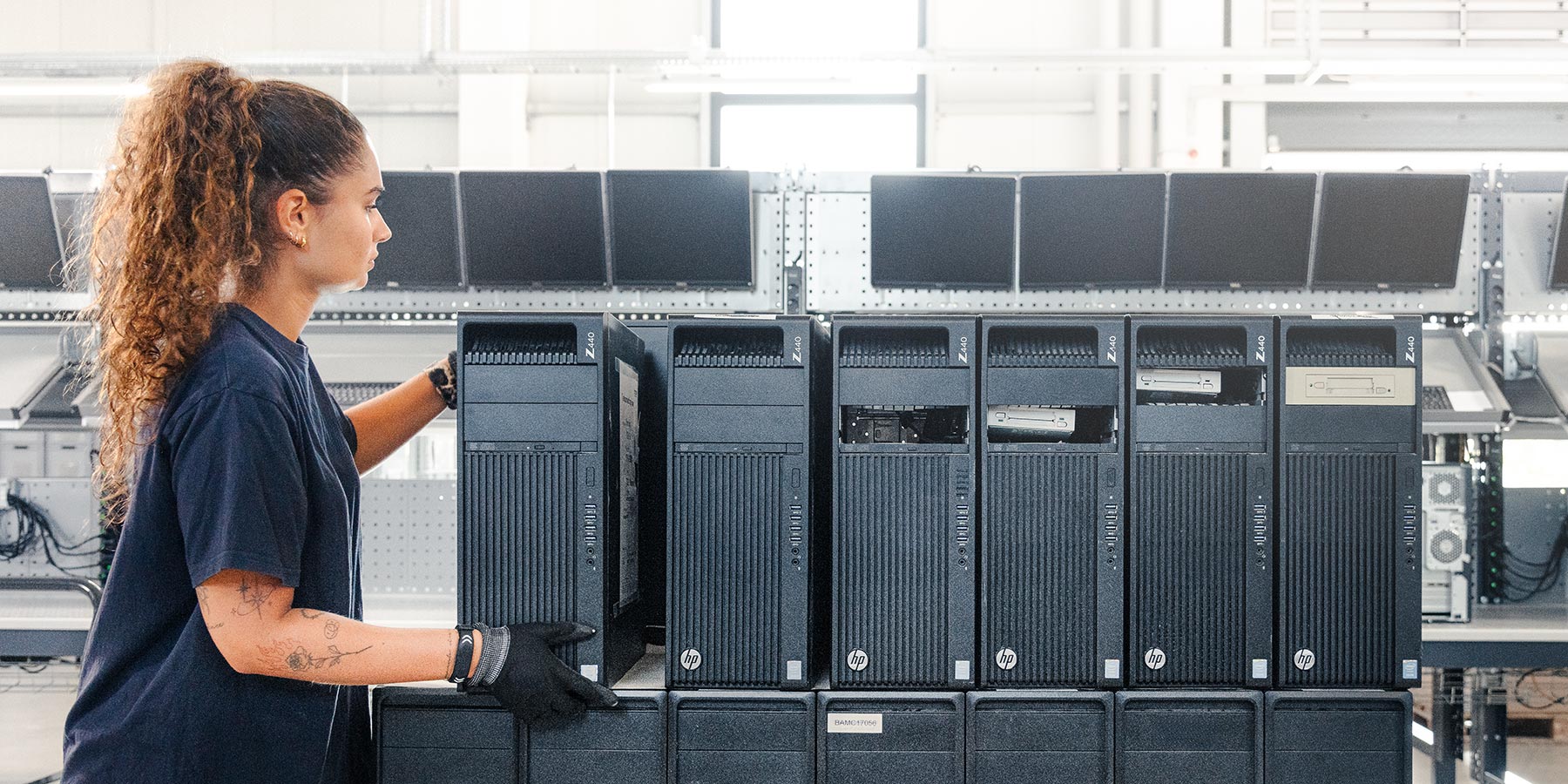
So funktioniert der IT-Ankauf für Unternehmen
Wissen
So funktioniert der IT-Ankauf für Unternehmen
Wissen



Partnerschaft