




richiedi marchio
richiedi marchio
mathematics year 3 activity book answers page 34

Mathematics - Year 3 Activity Book Answers Page 34

“Io acquisto prodotti la cui origine regionale e sostenibilità sono garantite”

leggi di più

| Feature | This Book (p. 34) | Oxford Primary | Cambridge Primary | |---------|-------------------|----------------|-------------------| | | Limited (selected items) | Full step‑by‑step for all | Minimal (final answer only) | | Teacher Remediation Tips | Present | None | Occasional footnotes | | Visual Design | Simple, high‑contrast | Color‑coded sections | Text‑dense | | Digital Companion | Not yet | PDF available | Online portal only |

Mathematics Year 3 Activity Book – Answers (Page 34) delivers a well‑structured, curriculum‑aligned, and user‑friendly answer sheet that supports both independent student checking and teacher efficiency. Its strengths lie in clear layout, strategic worked‑solution snippets, and thoughtful remediation notes. Minor enhancements—such as richer worked steps, error‑alert icons, and an accessible digital version—could push it to a perfect score. For most Year 3 classrooms, this answer page will be a valuable asset in consolidating basic multiplication, fraction, and problem‑solving skills.

1. Overview The Mathematics Year 3 Activity Book (published by [Publisher] , 202X) is designed as a companion resource for primary‑school teachers, parents, and young learners. It follows the UK National Curriculum for Key Stage 1 (Year 3) and offers a blend of practice worksheets, puzzles, and real‑world problem‑solving tasks. The Answer Key is printed at the back of the book, with each page of the student activity booklet matched to a corresponding answer page; page 34 is the focus of this review. 2. Content of Page 34 | Element | Description | Pedagogical Purpose | |---------|-------------|----------------------| | Header | “Answers – Page 34” with a small icon of a calculator | Provides quick visual orientation for users. | | Numbered Questions | 10–12 answer entries, each linked to a specific exercise in the student booklet (e.g., “1. 3 × 4 = 12”, “2. 3/4 + 1/4 = 1”). | Reinforces mastery of multiplication facts, simple fractions, and basic addition/subtraction. | | Worked Steps (selected items) | For a few of the more complex problems (typically the word‑problem or multi‑step question), the key includes a brief step‑by‑step outline rather than just the final answer. | Models the reasoning process, supporting metacognitive development and teacher scaffolding. | | Visual Checks | Small tick‑boxes next to each answer, allowing students to self‑mark. | Encourages independent verification and promotes a growth‑mindset. | | Teacher’s Note (bottom) | “If a student is struggling with question 5, revisit the ‘Number Bonds to 20’ activity on page 12.” | Offers targeted remediation suggestions, aligning with formative assessment practices. | 3. Strengths | Aspect | Why It Works | |--------|--------------| | Clarity & Layout | The page is cleanly divided with generous white space, making it easy to locate each answer quickly. The use of a bold sans‑serif font distinguishes answer numbers from the content, reducing visual clutter. | | Alignment with Curriculum | All answers correspond directly to the Year 3 objectives (e.g., “Multiplication facts up to 12 × 12”, “Recognise and write simple fractions”, “Solve one‑step word problems”). This alignment assures teachers that the resource supports mandated learning outcomes. | | Partial Worked Solutions | By providing a brief rationale for the more challenging items, the key avoids “answer‑only” black‑box solutions. This is especially helpful for teachers who need to illustrate problem‑solving strategies without rewriting the entire solution. | | Remediation Guidance | The teacher’s note at the bottom is a thoughtful inclusion. It not only points to the relevant prior activity but also encourages a spiral curriculum approach—revisiting concepts in varied contexts. | | Self‑Assessment Friendly | The tick‑box format empowers pupils to check their own work, fostering independence and reducing reliance on constant adult verification. | 4. Areas for Improvement | Issue | Suggested Enhancement | |-------|-----------------------| | Limited Worked Detail | While a brief outline is helpful, a few more intermediate steps (especially for fraction addition) could prevent misconceptions. A “show‑your‑working” prompt beside the answer would encourage students to write out the process. | | Absence of Common Mistake Alerts | Highlighting typical errors (e.g., “Remember to simplify 2/4 to 1/2”) would give teachers a quick diagnostic tool. A small “⚠️” icon could flag these. | | Formatting Consistency | In the printed version, question 8’s answer is slightly misaligned with the numbering, which can cause a momentary pause when scanning. A tighter grid layout would eliminate this minor visual hiccup. | | Digital Accessibility | The printed answer key is not currently available as an accessible PDF (e.g., with selectable text for screen readers). Offering a digital version would broaden usability for students with visual impairments or for remote learning setups. | 5. Pedagogical Impact Self‑Regulated Learning: The tick‑box and concise answer format nurture self‑evaluation skills. When students can instantly verify their work, they receive immediate feedback—a key component of the learning loop.

Overall, page 34 strikes a balanced middle ground: it offers more instructional scaffolding than a bare answer key while staying succinct enough for quick classroom use. Rating: ★★★★☆ (4 out of 5 stars)

The teacher’s note and concise layout reduce the time required to cross‑reference student work with the answer key, enabling faster grading or in‑class checks.

By directly linking each answer back to a specific learning goal, page 34 serves as a quick reference for lesson planning and progress monitoring. 6. Comparative Perspective When placed side‑by‑side with answer pages from competing Year 3 maths activity books (e.g., Oxford Primary Mathematics and Cambridge Primary Maths ), the following observations emerge:

Un’idea semplice che si sviluppa in un sistema innovativo rendendo protagonista un’intera regione:

MARCHIO AZIENDA & SERVIZI

Il marchio dorato viene conferito alle imprese del Friuli Venezia Giulia che si impegnano nella SOSTENIBILITÀ ambientale, economica e sociale.

Logo marchio azienda
mathematics year 3 activity book answers page 34 Aziende agroalimentari impegnate nella sostenibilità mathematics year 3 activity book answers page 34 Servizi di rivendita e ristorazione con fornitura locale

MARCHIO PRODOTTO

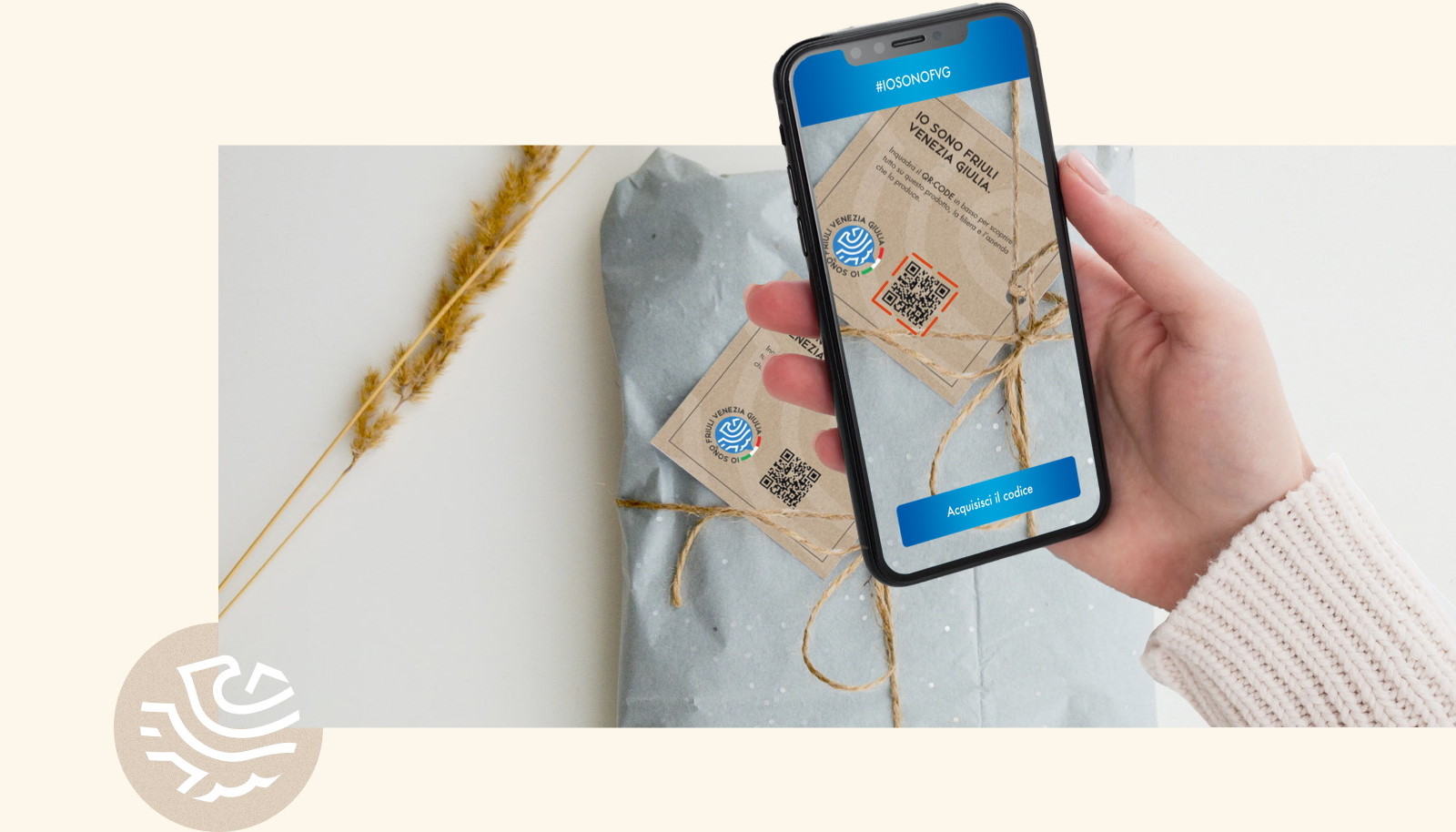
Il marchio blu si trova sui prodotti di imprese del Friuli Venezia Giulia dalla FILIERA TRACCIABILE. Il marchio è sempre abbinato ad un QR-code attraverso il quale si può scoprire da dove vengono le materie prime.

Logo marchio prodotto
mathematics year 3 activity book answers page 34 Prodotti tracciabili che informano il consumatore con il QR-CODE

MARCHIO BRANDING

Il marchio figurativo viene concesso a tutti coloro che con le loro iniziative condividono, promuovono e rafforzano i principi che stanno alla base del Marchio collettivo.

Logo Branding
mathematics year 3 activity book answers page 34 Iniziative che rafforzano il valore del marchio

484 aziende con il marchio “IO SONO FVG”.

Già 484 aziende si sono impegnate nella sostenibilità per ottenere il marchio “IO SONO FVG”.

Hai un’azienda che opera nell’agroalimentare in Friuli Venezia Giulia? Se ti impegni nella sostenibilità ambientale, economica e sociale anche tu puoi avere il marchio “IO SONO FVG”.

Scan Qr Code

Cerca il Marchio sui prodotti. Inquadra
il QR-CODE abbinato per scoprire da dove
vengono le materie prime e conoscere l’impegno
dell’azienda produttrice verso il territorio.

I prodotti marchiati:

tutti i prodotti

Ecco chi sono i ristoranti e rivenditori che si riforniscono da aziende con il marchio “IO SONO FVG”, contribuendo tutti assieme alla valorizzazione della filiera locale.

tutti i ristoranti e rivenditori
198 ristoranti e rivenditori dove trovare i prodotti “IO SONO FVG”

Mathematics - Year 3 Activity Book Answers Page 34

| Feature | This Book (p. 34) | Oxford Primary | Cambridge Primary | |---------|-------------------|----------------|-------------------| | | Limited (selected items) | Full step‑by‑step for all | Minimal (final answer only) | | Teacher Remediation Tips | Present | None | Occasional footnotes | | Visual Design | Simple, high‑contrast | Color‑coded sections | Text‑dense | | Digital Companion | Not yet | PDF available | Online portal only |

Mathematics Year 3 Activity Book – Answers (Page 34) delivers a well‑structured, curriculum‑aligned, and user‑friendly answer sheet that supports both independent student checking and teacher efficiency. Its strengths lie in clear layout, strategic worked‑solution snippets, and thoughtful remediation notes. Minor enhancements—such as richer worked steps, error‑alert icons, and an accessible digital version—could push it to a perfect score. For most Year 3 classrooms, this answer page will be a valuable asset in consolidating basic multiplication, fraction, and problem‑solving skills. mathematics year 3 activity book answers page 34

1. Overview The Mathematics Year 3 Activity Book (published by [Publisher] , 202X) is designed as a companion resource for primary‑school teachers, parents, and young learners. It follows the UK National Curriculum for Key Stage 1 (Year 3) and offers a blend of practice worksheets, puzzles, and real‑world problem‑solving tasks. The Answer Key is printed at the back of the book, with each page of the student activity booklet matched to a corresponding answer page; page 34 is the focus of this review. 2. Content of Page 34 | Element | Description | Pedagogical Purpose | |---------|-------------|----------------------| | Header | “Answers – Page 34” with a small icon of a calculator | Provides quick visual orientation for users. | | Numbered Questions | 10–12 answer entries, each linked to a specific exercise in the student booklet (e.g., “1. 3 × 4 = 12”, “2. 3/4 + 1/4 = 1”). | Reinforces mastery of multiplication facts, simple fractions, and basic addition/subtraction. | | Worked Steps (selected items) | For a few of the more complex problems (typically the word‑problem or multi‑step question), the key includes a brief step‑by‑step outline rather than just the final answer. | Models the reasoning process, supporting metacognitive development and teacher scaffolding. | | Visual Checks | Small tick‑boxes next to each answer, allowing students to self‑mark. | Encourages independent verification and promotes a growth‑mindset. | | Teacher’s Note (bottom) | “If a student is struggling with question 5, revisit the ‘Number Bonds to 20’ activity on page 12.” | Offers targeted remediation suggestions, aligning with formative assessment practices. | 3. Strengths | Aspect | Why It Works | |--------|--------------| | Clarity & Layout | The page is cleanly divided with generous white space, making it easy to locate each answer quickly. The use of a bold sans‑serif font distinguishes answer numbers from the content, reducing visual clutter. | | Alignment with Curriculum | All answers correspond directly to the Year 3 objectives (e.g., “Multiplication facts up to 12 × 12”, “Recognise and write simple fractions”, “Solve one‑step word problems”). This alignment assures teachers that the resource supports mandated learning outcomes. | | Partial Worked Solutions | By providing a brief rationale for the more challenging items, the key avoids “answer‑only” black‑box solutions. This is especially helpful for teachers who need to illustrate problem‑solving strategies without rewriting the entire solution. | | Remediation Guidance | The teacher’s note at the bottom is a thoughtful inclusion. It not only points to the relevant prior activity but also encourages a spiral curriculum approach—revisiting concepts in varied contexts. | | Self‑Assessment Friendly | The tick‑box format empowers pupils to check their own work, fostering independence and reducing reliance on constant adult verification. | 4. Areas for Improvement | Issue | Suggested Enhancement | |-------|-----------------------| | Limited Worked Detail | While a brief outline is helpful, a few more intermediate steps (especially for fraction addition) could prevent misconceptions. A “show‑your‑working” prompt beside the answer would encourage students to write out the process. | | Absence of Common Mistake Alerts | Highlighting typical errors (e.g., “Remember to simplify 2/4 to 1/2”) would give teachers a quick diagnostic tool. A small “⚠️” icon could flag these. | | Formatting Consistency | In the printed version, question 8’s answer is slightly misaligned with the numbering, which can cause a momentary pause when scanning. A tighter grid layout would eliminate this minor visual hiccup. | | Digital Accessibility | The printed answer key is not currently available as an accessible PDF (e.g., with selectable text for screen readers). Offering a digital version would broaden usability for students with visual impairments or for remote learning setups. | 5. Pedagogical Impact Self‑Regulated Learning: The tick‑box and concise answer format nurture self‑evaluation skills. When students can instantly verify their work, they receive immediate feedback—a key component of the learning loop. | Feature | This Book (p

Overall, page 34 strikes a balanced middle ground: it offers more instructional scaffolding than a bare answer key while staying succinct enough for quick classroom use. Rating: ★★★★☆ (4 out of 5 stars) Overview The Mathematics Year 3 Activity Book (published

The teacher’s note and concise layout reduce the time required to cross‑reference student work with the answer key, enabling faster grading or in‑class checks.

By directly linking each answer back to a specific learning goal, page 34 serves as a quick reference for lesson planning and progress monitoring. 6. Comparative Perspective When placed side‑by‑side with answer pages from competing Year 3 maths activity books (e.g., Oxford Primary Mathematics and Cambridge Primary Maths ), the following observations emerge:

RebeKin® acquolina e vin... di Soca Bay Srls
Gorizia
Casa Mantova
Barcis
Trattoria da Gisa di Braida Manola e c. Sas
040 SOCIAL FOOD ROSSINI 8 SRL
TRIESTE
IL PANINO PINETA
LIGNANO SABBIADORO
RISTORANTE AL FIUME STELLA
CiEssemarket
Lestizza
Chincaglieria Gastronomica
GORIZIA
la vecchia napoli sas pizzeria Ristorante AL CAVALLINO
TRIESTE