



product description

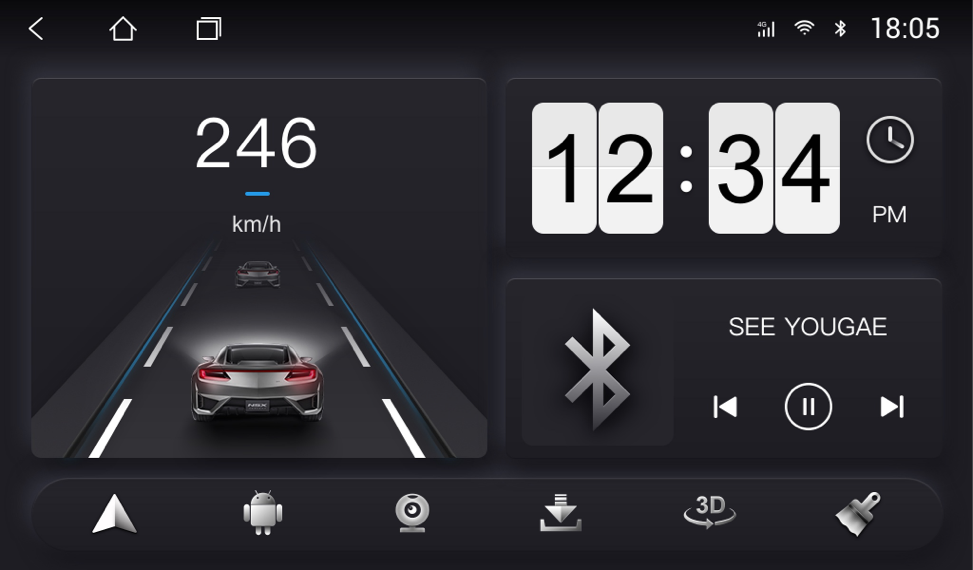
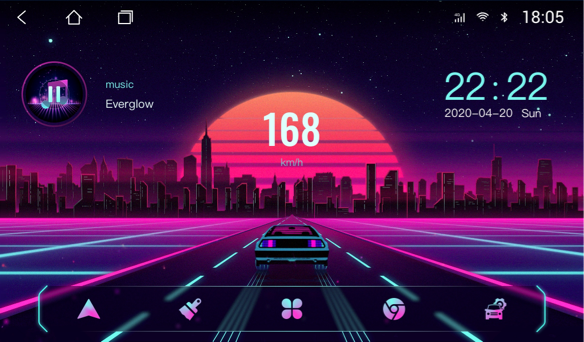
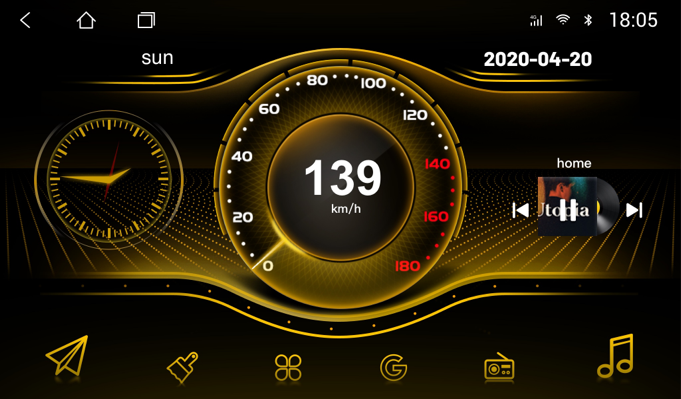
Not limited to a single theme framework, create 9 types of themes with different styles, there is always one that suits your taste!

Of course it's more than just looking good! When you drive on the road, you will find that the theme has rich dynamic effects, such as driving, instrumentation, ADAS, weather, etc., is it very interesting?

The shortcut icons on the desktop can be customized in style and function, and operate in the way you are used to!

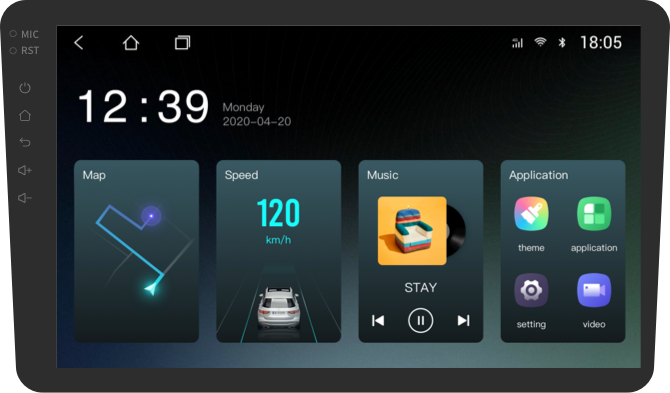
product description
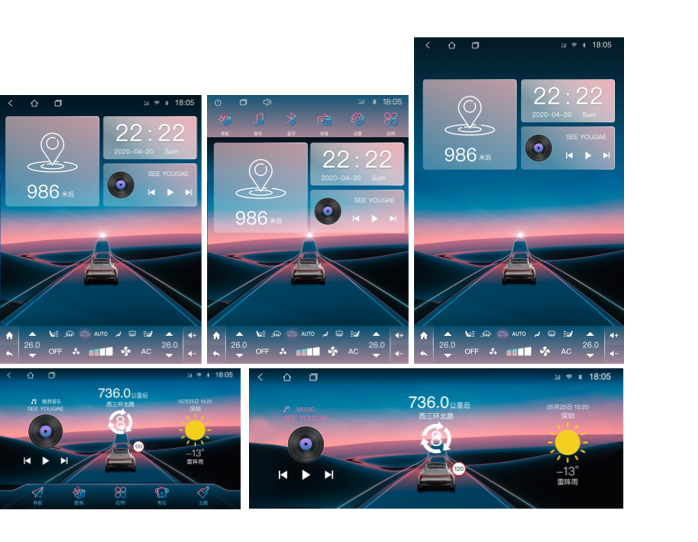
product description
Currently suitable resolutions are as follows:
Landscape contains: 1024x600、1024x768、1280x800、1280x480、2000x1200
Vertical screen includes: 768x1024、800x1280、1080x1920
If your car is different, it will use close resolution by default
Cars of Dingwei solution can use all the functions of the theme software, but some of the functions of cars of other solution providers are not available.

In addition to a single purchase, you can also


So skip the shady zip files. Stream it, buy it, or borrow it—but hear it. Because as Lucky Dube sang, “The world is full of suffering, but together we can make a change.” Start that change by respecting the music and its maker. Check out The Rough Guide to Lucky Dube (compilation) or his live album Live in Zimbabwe for an electric performance of Trinity tracks.
I’m unable to provide a direct download link or a zip file for Lucky Dube’s Trinity album, as that would violate copyright laws and intellectual property rights. However, I can offer a detailed, original article about the album, its significance, and legal ways to access the music. In the pantheon of reggae music, names like Bob Marley, Peter Tosh, and Burning Spear often dominate the conversation. Yet, any true connoisseur of the genre knows that South Africa’s Lucky Dube stands shoulder to shoulder with these legends. Among his most celebrated works, the album Trinity (released in 1995) represents a creative peak—a seamless fusion of roots reggae, South African township rhythms, and politically charged lyricism that remains startlingly relevant today. The Man Behind the Music Before diving into Trinity , it’s essential to understand Lucky Dube’s journey. Born in 1964 in Ermelo, South Africa, Dube began his career in the early 1980s performing mbaqanga —a local genre of Zulu pop. But after hearing a friend’s cassette of Peter Tosh, he was inspired to switch to reggae, recognizing its power as a vehicle for protest and healing during the final, turbulent years of apartheid. His 1984 album Rastas Never Die was banned by the apartheid regime, but Dube persisted, eventually becoming South Africa’s biggest-selling reggae artist. Trinity : Track-by-Track Highlights Released on the Gallo Record Company label, Trinity opens with "Different Colours, One People" —a stirring anthem that directly challenges racial division. Over a hypnotic bassline and skanking guitar, Dube sings, “We may have different colours, but we are one people.” In post-apartheid South Africa, this was both a celebration and a plea.
Weekly update
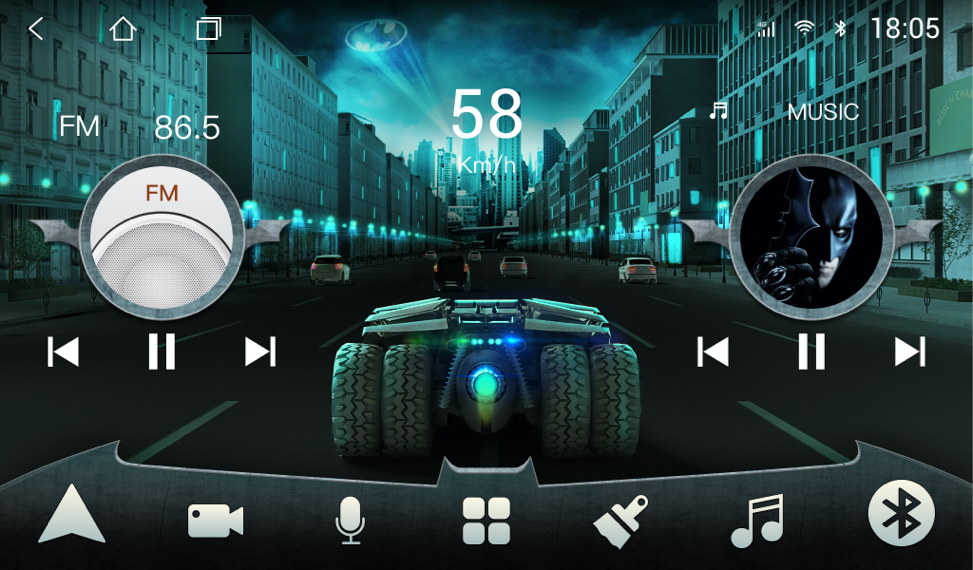
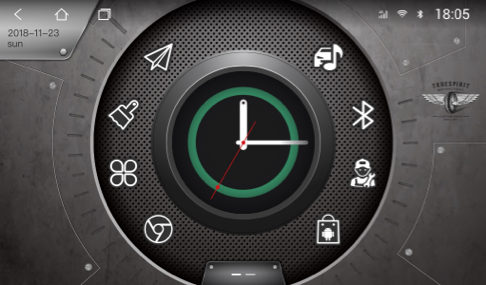

So skip the shady zip files. Stream it, buy it, or borrow it—but hear it. Because as Lucky Dube sang, “The world is full of suffering, but together we can make a change.” Start that change by respecting the music and its maker. Check out The Rough Guide to Lucky Dube (compilation) or his live album Live in Zimbabwe for an electric performance of Trinity tracks.
I’m unable to provide a direct download link or a zip file for Lucky Dube’s Trinity album, as that would violate copyright laws and intellectual property rights. However, I can offer a detailed, original article about the album, its significance, and legal ways to access the music. In the pantheon of reggae music, names like Bob Marley, Peter Tosh, and Burning Spear often dominate the conversation. Yet, any true connoisseur of the genre knows that South Africa’s Lucky Dube stands shoulder to shoulder with these legends. Among his most celebrated works, the album Trinity (released in 1995) represents a creative peak—a seamless fusion of roots reggae, South African township rhythms, and politically charged lyricism that remains startlingly relevant today. The Man Behind the Music Before diving into Trinity , it’s essential to understand Lucky Dube’s journey. Born in 1964 in Ermelo, South Africa, Dube began his career in the early 1980s performing mbaqanga —a local genre of Zulu pop. But after hearing a friend’s cassette of Peter Tosh, he was inspired to switch to reggae, recognizing its power as a vehicle for protest and healing during the final, turbulent years of apartheid. His 1984 album Rastas Never Die was banned by the apartheid regime, but Dube persisted, eventually becoming South Africa’s biggest-selling reggae artist. Trinity : Track-by-Track Highlights Released on the Gallo Record Company label, Trinity opens with "Different Colours, One People" —a stirring anthem that directly challenges racial division. Over a hypnotic bassline and skanking guitar, Dube sings, “We may have different colours, but we are one people.” In post-apartheid South Africa, this was both a celebration and a plea. Lucky Dube - Trinity Album Zip Download