

nPlayer 3.0
nPLAYER
Privacy policy  

The best media player in the world

nPlayer 3.0 Now available on the App Store

nPlayer space

Non-encoding Playback

No need to worry about video format and codec anymore! It plays at once.

Non-encoding Playback - background

nPlayer officially supports DTS (DTS HD) and Dolby (AC3, E-AC3) codecs
Video : MP4, MKV, TP, MOV, AVI, WMV, ASF, FLV, OGV, RMVB, etc.
Audio : MP3, WAV, WMA, FLAC, APE, etc.

julia

High performance and stability

nPlayer is the best app for playing any videos or images in a stable manner,
which is the most important feature of a video player.
Supports H.264 / MPEG4 codec hardware acceleration
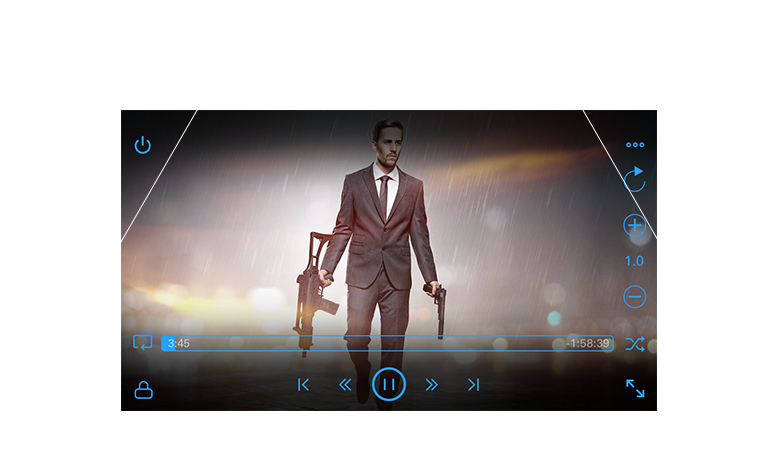
Playback speed control: 0.5X ~ 4.0X
julia

Embedded Web Browser

You can watch any videos on the web using the embedded web browser.
julia

Supports Connection to Chromecast and Smart TV

You can be easily connected to a smart TV wirelessly (UPnP). Just send images you watch to the TV!
julia

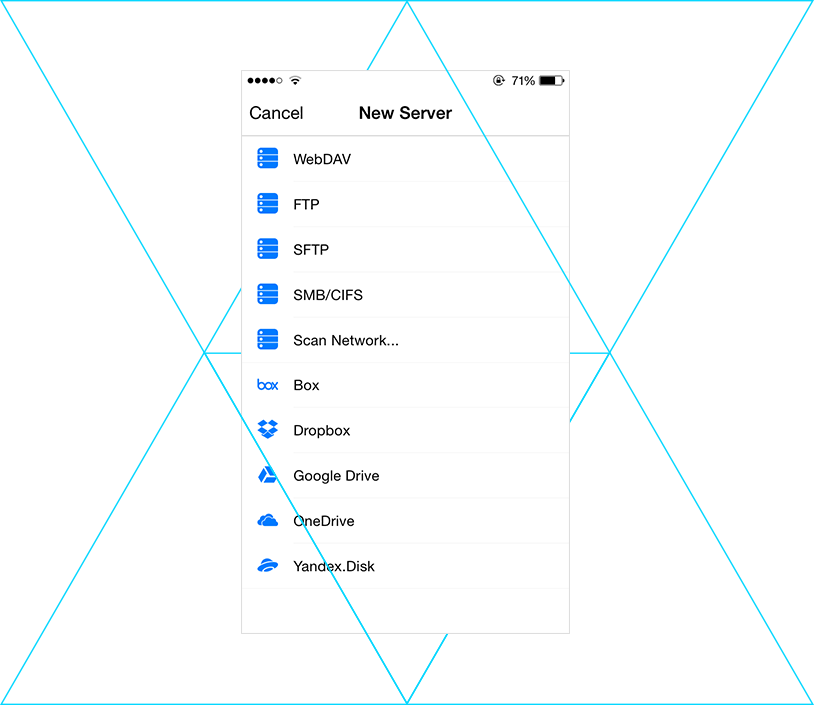
Cloud Sync

Box, Dropbox, Google Drive, OneDrive, Yandex Disk, etc.

Powerful streaming technology

No need to insert a video file into the device! Wherever your file is, you can play.

Non-encoding Playback - background

Supports WebDAV, FTP, SFTP, HTTP, SMB/CIFS, UPnP/DLNA (Streaming & Downloading)
Supports sync with a variety of NAS devices
Supports Toshiba’s wireless storages (FlashAir, Wireless SSD, Wireless HDD, Wireless Adapter)nPlayer officially supports DTS (DTS HD) and Dolby (AC3, E-AC3) codecs

julia

Processing a variety of images

nPlayer allows you to control images in detail.
Image processing: To control Top&Bottom, Left&Right Reverse, Brightness &Chroma
Format size setting: Default, 1:1, 3:2, 4:3, 5:3, 16:9, 1.85:1, etc.
julia

Dolby, DTS HDMI Bitstream (Passthru)

You can enjoy high quality two-channel sound with a direct output without revising the Dolby or DTS sound source.

Julia -

Here’s a helpful, practical write-up for getting started with , aimed at someone who knows a bit of programming (Python, MATLAB, R, or similar) but is new to Julia. Julia: A Fast, Friendly Language for Technical Computing What is Julia? Julia is a high-level, high-performance programming language designed for technical computing (data science, machine learning, scientific computing, numerical analysis). It feels like Python or MATLAB but runs like C.

greet(name::String) = "Hello, $name" greet(age::Int) = "You are $age years old" greet("Alice") # "Hello, Alice" greet(30) # "You are 30 years old" You can write generic code, or specify types for speed and clarity. Here’s a helpful, practical write-up for getting started

Want a specific example or help with a task you'd normally do in Python/R/MATLAB? Let me know. It feels like Python or MATLAB but runs like C

Write code that is readable and fast without needing to drop down to a lower-level language or optimize by hand for every operation. Why Use Julia? | Problem in other languages | Julia's solution | |---------------------------|------------------| | Python is slow for loops and numerical code. | Julia compiles just-in-time (JIT) to fast machine code. | | MATLAB/R can be expensive or slow for large data. | Julia is free, open-source, and fast by design. | | You write prototype in Python, then rewrite in C++. | One language from prototype to production. | | Multiple dispatch feels unnatural in class-based OOP. | Multiple dispatch is central and elegant in Julia. | First Look: Syntax Comparison Python Let me know

def sum_of_squares(x): total = 0 for i in x: total += i**2 return total (very similar, but 1-based indexing)
Perfect subtitles

You will experience all easy-to-use functions to play subtitles.

Non-encoding Playback - background

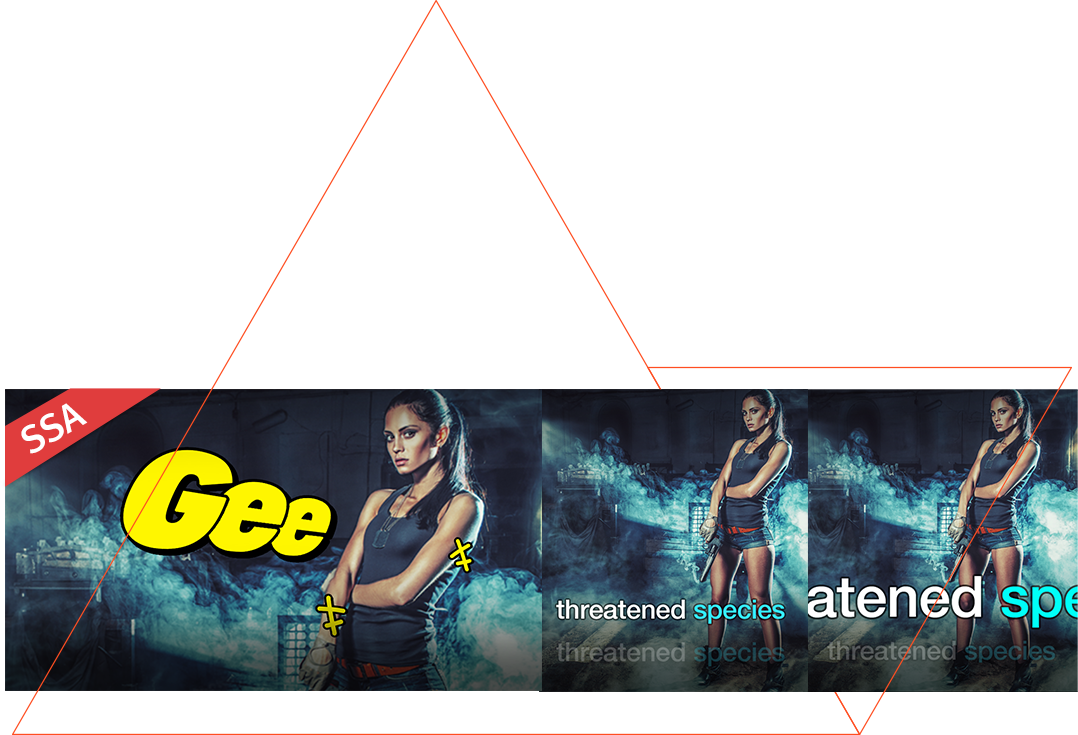
Subtitles sync controlling function
To set subtitle font, text color, shadow, contour, etc.
Perfectly supports SSA.ASS styling and resident fonts

SMI, SRT, SSA, IDX, SUB, LRC
Supports multi-track subtitles
Subtitles file selection function

Contact Us