Erotic Shemale Thumbs May 2026

Build confidence, precision, and consistency — with the most advanced practice app for musicians. The app trusted by Broadway musicians, Juilliard students, and teachers worldwide.

Trusted by 1M+ musicians worldwide
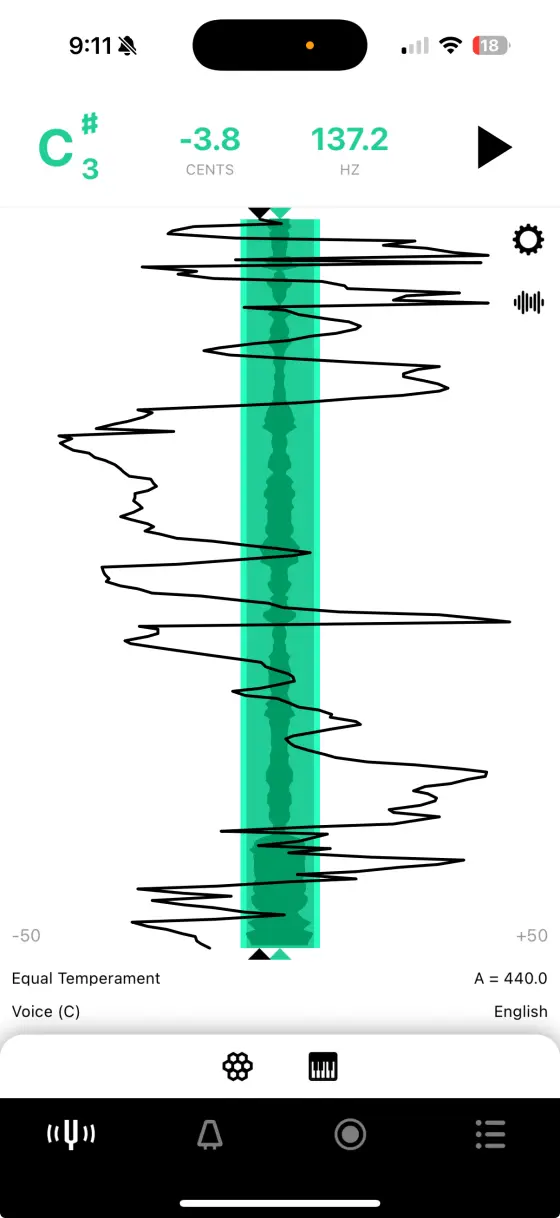
Tunable chromatic tuner showing real-time pitch detection and Sustained Pitch History

Trusted by millions worldwide

The best tuner, metronome, and recorder on iOS and a pitch-perfect bargain for any musician.
MacLife • Technology Review

Trusted by

Tunable is used by students and faculty at the Juilliard School, Berklee College of Music, Broadway productions, and Music Teachers Association members worldwide.

World map showing Tunable users across six continents
For Every Musician

From classroom to concert hall

Tunable grows with you. Start as a beginner, develop your skills, and join the ranks of professionals who rely on Tunable every day.

🎓

Students & Beginners

Build confidence with practice feedback and clear visual cues

🎭

Professional Musicians

Broadway musicians and Juilliard students trust Tunable for precision

👨‍🏫

Music Teachers

Share recordings and track student progress with detailed analytics

Young student taking first steps in music with Tunable practice app

First Steps

"Perfect for building confidence in young musicians"

Beginner
Students practicing together in ensemble using synchronized metronome

Ensemble Practice

"Synchronizes timing across multiple instruments"

School Band
Student performing at Juilliard recital after practicing with Tunable

Elite Training

"Trusted by conservatory students worldwide"

Juilliard
Professional Broadway orchestra musicians who use Tunable

Broadway Orchestra

"Trusted by professional musicians on Broadway stages"

Broadway

Erotic Shemale Thumbs May 2026

The LGBTQ+ (Lesbian, Gay, Bisexual, Transgender, Queer/Questioning, and others) culture represents a diverse coalition of gender and sexual minorities united by a shared history of marginalization and a collective pursuit of liberation. Within this multifaceted alliance, the transgender community holds a unique and often precarious position. While the “T” has been a formal part of the acronym for decades, the specific needs, identities, and histories of transgender people are distinct from those of lesbian, gay, and bisexual (LGB) individuals, whose shared foundation is sexual orientation rather than gender identity. This paper examines the integration and tensions between the transgender community and mainstream LGBTQ+ culture, exploring their historical convergence, points of divergence, and the evolving dynamics of solidarity in the contemporary era.

The current political climate in many nations presents a dual reality. On one hand, mainstream LGB acceptance has reached historic highs, with legal same-sex marriage and adoption rights. On the other hand, trans people face a vicious backlash, including record numbers of anti-trans laws, political vilification, and escalating violence, particularly against trans women of color. This divergence creates a critical test for LGBTQ+ culture: Will the “LGB” leave the “T” behind to achieve further assimilation, or will the community reaffirm its founding principle of mutual liberation?

A growing movement of “LGB without the T” (often linked to TERF and conservative groups) advocates for severing the alliance, arguing that trans issues distract from sexual orientation rights. However, mainstream LGBTQ+ organizations—from the Human Rights Campaign to local community centers—have largely rejected this, reaffirming that gender identity is integral to the struggle against heteronormativity and cisnormativity.

The relationship between the transgender community and broader LGBTQ+ culture is one of necessary, yet sometimes strained, solidarity. While their histories are intertwined from Stonewall to the present, distinct material needs and experiences of marginalization have produced genuine tensions. The future of this alliance hinges on whether LGBTQ+ culture can move beyond a politics of respectability and assimilation, embracing a more radical intersectional framework that prioritizes its most vulnerable members. The trans community is not an accessory to LGBTQ+ culture; it is a core, if sometimes uncomfortable, part of its conscience. To abandon the “T” would not only betray a historical debt but also dismantle the very idea that liberation must be universal—a lesson the queer community can scarcely afford to forget.

The modern LGBTQ+ rights movement, galvanized by the 1969 Stonewall Riots in New York City, is often remembered for the leadership of gay men and lesbians. However, transgender activists, particularly trans women of color like Marsha P. Johnson and Sylvia Rivera, were pivotal actors in the uprising and its aftermath. Rivera, co-founder of the radical group Street Transvestite Action Revolutionaries (STAR), vocally criticized the mainstream gay rights movement for excluding drag queens and trans individuals. Despite this foundational presence, the subsequent decades saw a strategic, yet exclusionary, push for respectability. Many LGB organizations prioritized “innate and immutable” sexual orientation claims for legal protections, often sidelining gender identity as a less politically palatable or legally distinct issue. This created a hierarchy where LGB rights advanced while trans-specific concerns—such as access to healthcare, identity documents, and protection from gender-based violence—remained secondary.


The LGBTQ+ (Lesbian, Gay, Bisexual, Transgender, Queer/Questioning, and others) culture represents a diverse coalition of gender and sexual minorities united by a shared history of marginalization and a collective pursuit of liberation. Within this multifaceted alliance, the transgender community holds a unique and often precarious position. While the “T” has been a formal part of the acronym for decades, the specific needs, identities, and histories of transgender people are distinct from those of lesbian, gay, and bisexual (LGB) individuals, whose shared foundation is sexual orientation rather than gender identity. This paper examines the integration and tensions between the transgender community and mainstream LGBTQ+ culture, exploring their historical convergence, points of divergence, and the evolving dynamics of solidarity in the contemporary era.

The current political climate in many nations presents a dual reality. On one hand, mainstream LGB acceptance has reached historic highs, with legal same-sex marriage and adoption rights. On the other hand, trans people face a vicious backlash, including record numbers of anti-trans laws, political vilification, and escalating violence, particularly against trans women of color. This divergence creates a critical test for LGBTQ+ culture: Will the “LGB” leave the “T” behind to achieve further assimilation, or will the community reaffirm its founding principle of mutual liberation?

A growing movement of “LGB without the T” (often linked to TERF and conservative groups) advocates for severing the alliance, arguing that trans issues distract from sexual orientation rights. However, mainstream LGBTQ+ organizations—from the Human Rights Campaign to local community centers—have largely rejected this, reaffirming that gender identity is integral to the struggle against heteronormativity and cisnormativity.

The relationship between the transgender community and broader LGBTQ+ culture is one of necessary, yet sometimes strained, solidarity. While their histories are intertwined from Stonewall to the present, distinct material needs and experiences of marginalization have produced genuine tensions. The future of this alliance hinges on whether LGBTQ+ culture can move beyond a politics of respectability and assimilation, embracing a more radical intersectional framework that prioritizes its most vulnerable members. The trans community is not an accessory to LGBTQ+ culture; it is a core, if sometimes uncomfortable, part of its conscience. To abandon the “T” would not only betray a historical debt but also dismantle the very idea that liberation must be universal—a lesson the queer community can scarcely afford to forget.

The modern LGBTQ+ rights movement, galvanized by the 1969 Stonewall Riots in New York City, is often remembered for the leadership of gay men and lesbians. However, transgender activists, particularly trans women of color like Marsha P. Johnson and Sylvia Rivera, were pivotal actors in the uprising and its aftermath. Rivera, co-founder of the radical group Street Transvestite Action Revolutionaries (STAR), vocally criticized the mainstream gay rights movement for excluding drag queens and trans individuals. Despite this foundational presence, the subsequent decades saw a strategic, yet exclusionary, push for respectability. Many LGB organizations prioritized “innate and immutable” sexual orientation claims for legal protections, often sidelining gender identity as a less politically palatable or legally distinct issue. This created a hierarchy where LGB rights advanced while trans-specific concerns—such as access to healthcare, identity documents, and protection from gender-based violence—remained secondary.
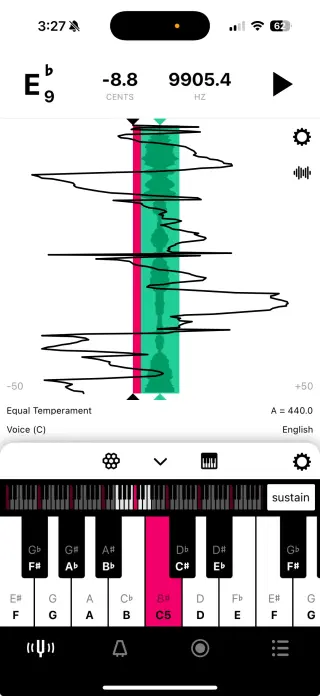
Start your musical journey today

Join millions of musicians who practice with confidence. Download Tunable and discover what you're truly capable of.

Works on iPhone and Android
No ads, no subscriptions required