Published in 1897, "Dracula" introduced the world to Count Dracula, a charismatic and terrifying figure who has since become the archetype of the vampire. But Stoker's work is far more complex than a simple tale of a bloodthirsty monster. It's a rich tapestry woven from various threads of mythology, folklore, and psychological insight, set against the backdrop of Victorian England.
One of the most compelling aspects of "Dracula" is its use of symbolism. The vampire himself is a symbol of death, decay, and corruption, while the sacred objects that repel him – the cross, garlic, holy water – represent the power of good and redemption. The vampire's aversion to sunlight and his need for darkness symbolize the eternal struggle between light and darkness, good and evil.
In the dimly lit corners of literature, there exists a tale so profound, so haunting, that it transcends the boundaries of time and genre. Bram Stoker's "Dracula" is more than a mere narrative; it's an exploration of the human condition, a dance between light and darkness, and a testament to the enduring power of fear and fascination.
In conclusion, "Dracula" is a masterpiece of Gothic literature that continues to enthrall readers with its timeless themes, memorable characters, and haunting atmosphere. As a work of fiction, it has aged remarkably well, its power to fascinate and terrify undiminished by the passage of time. As a cultural icon, Count Dracula remains an indelible part of our collective imagination, a symbol of the enduring power of fear, desire, and the unknown.
The character of Mina Harker, with her innocence, kindness, and strength, serves as a beacon of hope in a world threatened by the forces of darkness. Her relationships with the other characters, particularly her fiancé Jonathan and the vampire's mesmerized followers, add a layer of complexity to the narrative, highlighting the destructive power of obsession and the redemptive power of love.
Stoker's writing is masterful, weaving a spell that has captivated readers for generations. His descriptions of the Carpathian Mountains, the mist-shrouded landscapes of Whitby, and the eerie, candlelit interiors of the vampire's lair are so vivid that they seem to leap off the page, transporting the reader to a world of mystery and terror.
At its core, "Dracula" is a story about the unknown, the unexplained, and the unexplainable. The vampire, with his supernatural powers and immortal existence, represents the ultimate Other, a being who defies the natural order and preys upon the living. But Stoker also explores the inner demons that haunt his characters, delving into themes of desire, guilt, and the repressed sexuality of the Victorian era.
The epistolary format of the novel, composed of letters, diaries, and newspaper articles, adds a layer of realism and immediacy, drawing the reader into the world of the characters. This innovative narrative structure allows Stoker to present multiple perspectives, creating a sense of ambiguity and uncertainty that heightens the tension and suspense.
Dracula.pdf 🎯 Popular
Published in 1897, "Dracula" introduced the world to Count Dracula, a charismatic and terrifying figure who has since become the archetype of the vampire. But Stoker's work is far more complex than a simple tale of a bloodthirsty monster. It's a rich tapestry woven from various threads of mythology, folklore, and psychological insight, set against the backdrop of Victorian England.
One of the most compelling aspects of "Dracula" is its use of symbolism. The vampire himself is a symbol of death, decay, and corruption, while the sacred objects that repel him – the cross, garlic, holy water – represent the power of good and redemption. The vampire's aversion to sunlight and his need for darkness symbolize the eternal struggle between light and darkness, good and evil.
In the dimly lit corners of literature, there exists a tale so profound, so haunting, that it transcends the boundaries of time and genre. Bram Stoker's "Dracula" is more than a mere narrative; it's an exploration of the human condition, a dance between light and darkness, and a testament to the enduring power of fear and fascination.
In conclusion, "Dracula" is a masterpiece of Gothic literature that continues to enthrall readers with its timeless themes, memorable characters, and haunting atmosphere. As a work of fiction, it has aged remarkably well, its power to fascinate and terrify undiminished by the passage of time. As a cultural icon, Count Dracula remains an indelible part of our collective imagination, a symbol of the enduring power of fear, desire, and the unknown.
The character of Mina Harker, with her innocence, kindness, and strength, serves as a beacon of hope in a world threatened by the forces of darkness. Her relationships with the other characters, particularly her fiancé Jonathan and the vampire's mesmerized followers, add a layer of complexity to the narrative, highlighting the destructive power of obsession and the redemptive power of love.
Stoker's writing is masterful, weaving a spell that has captivated readers for generations. His descriptions of the Carpathian Mountains, the mist-shrouded landscapes of Whitby, and the eerie, candlelit interiors of the vampire's lair are so vivid that they seem to leap off the page, transporting the reader to a world of mystery and terror.
At its core, "Dracula" is a story about the unknown, the unexplained, and the unexplainable. The vampire, with his supernatural powers and immortal existence, represents the ultimate Other, a being who defies the natural order and preys upon the living. But Stoker also explores the inner demons that haunt his characters, delving into themes of desire, guilt, and the repressed sexuality of the Victorian era.
The epistolary format of the novel, composed of letters, diaries, and newspaper articles, adds a layer of realism and immediacy, drawing the reader into the world of the characters. This innovative narrative structure allows Stoker to present multiple perspectives, creating a sense of ambiguity and uncertainty that heightens the tension and suspense.







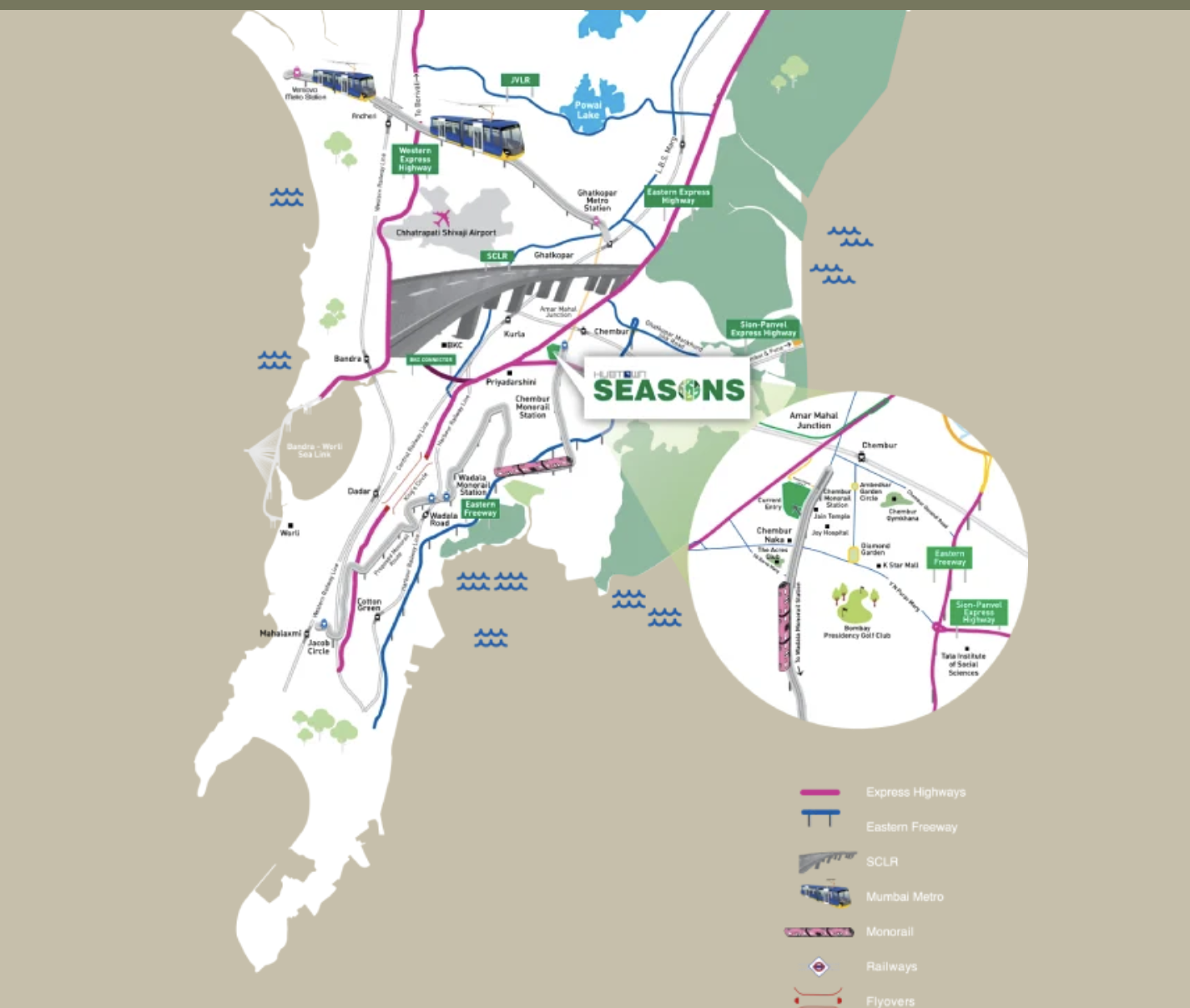

Connectivity
15 Minutesto BKC via BKC Connector
30 Minutesto Andheri via Mumbai Metro
30 Minutesto International Airport via Mumbai Metro
25 Minutesto Domestic Airport via SCLR
25 Minutesto Worli via Sea Link
30 Minutesto Mahalaxmi Racecourse via Monorail
35 Minutesto Thane via Eastern Express Highway
25 Minutesto Vashi via Sion Panvel Highway