dbadapter reserved interface huawei driver

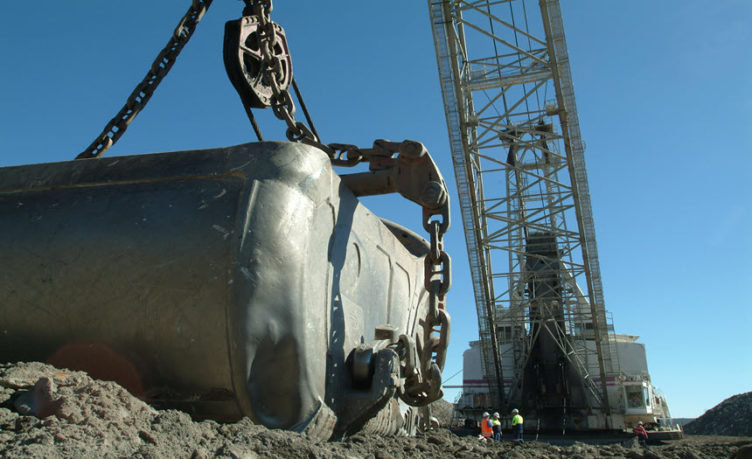
Mining engineers have trusted DRAGSIM for decades to make informed operational decisions, obtaining practical productivity and production cost data with speed and precision. DRAGSIM’s fully auditable functionality makes it a great fit for your company’s governance platform; you too can trust it to deliver accuracy and reliability from the pit to the boardroom.

Features

Dbadapter Reserved Interface Huawei Driver -

If that fails, move your pool logic out of DBAdapter’s control. And always test with the latest Huawei driver version.

Example with Spring Boot:

Debugging driver issues across proprietary cloud platforms can be frustrating. In this post, we’ll break down what the DBAdapter reserved interface warning/error means, why the Huawei driver triggers it, and how to resolve it cleanly. In many legacy and enterprise middleware systems (especially those based on Oracle’s Universal Connection Pool or older Jakarta EE connectors), DBAdapter acts as a resource adapter that manages connection pooling, transaction demarcation, and interaction with the underlying JDBC driver. dbadapter reserved interface huawei driver

If you’ve recently migrated a Java or enterprise application to a Huawei Cloud environment (or started using Huawei’s GaussDB), you might have stumbled upon a cryptic error message involving DBAdapter and a reserved interface .

When the DBAdapter loads a driver, it introspects the driver class for specific internal interfaces—some of which may be marked as reserved (i.e., not meant for public or adapter use). Huawei’s JDBC driver (for GaussDB 100/200 or its RDS for MySQL/PG) is robust and high-performing. However, because it implements certain internal JDBC specs differently—or includes proprietary optimizations—the DBAdapter’s introspection logic may trip over methods or classes that it considers “reserved.” If that fails, move your pool logic out

You might see logs like:

Have you encountered a similar issue with another cloud provider’s JDBC driver? Let me know in the comments below. Author bio: [Your Name] – Cloud-native engineer specializing in multi-cloud database connectivity. In this post, we’ll break down what the

-Dweblogic.jdbc.allowUnsafeDriverAccess=true (For WebLogic; adjust for your middleware.) Check the Huawei GaussDB documentation for the recommended driver version for your application server. Often, a patch release (e.g., huawei-gaussdb-jdbc-1.2.3 instead of 1.2.0 ) resolves interface mismatches. 3. Use a Different Connection Pool (Most Reliable) Bypass DBAdapter entirely by switching to HikariCP, Tomcat JDBC Pool, or Vibur DBCP. Configure your datasource as a “non-JTA” datasource and let the pool handle the Huawei driver directly.
dbadapter reserved interface huawei driver

Advanced analytics

Powerful reporting with inbuilt reports.

dbadapter reserved interface huawei driver

Industry standard

Trusted dragline solution for over 40+ years.

dbadapter reserved interface huawei driver

Drive continuous improvement

Validate planned vs actual.

dbadapter reserved interface huawei driver

Support your decisions

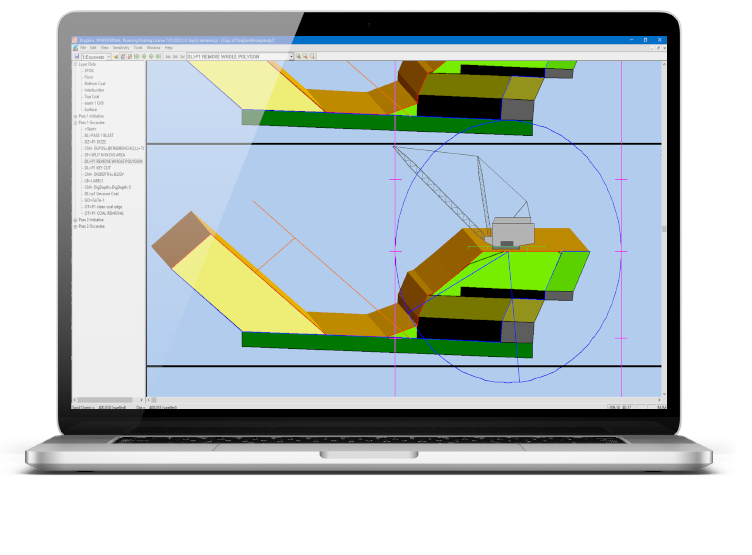
DRAGSIM is a dragline simulation system designed to optimise equipment productivity and waste movement to provide complete confidence in your decisions using the DRAGSIM decision support capability.

Method validation

By reproducing dragline methods across a range of operational parameters, and incorporating blasting, waste stripping and other mining equipment into the analysis, DRAGSIM gives users an accurate picture of dragline operations for a best-practice approach.

Evaluation of operating methods

Analyse the various segments of a cycle to identify the best and most practical method from a technical and economic perspective.

Request demo

If that fails, move your pool logic out of DBAdapter’s control. And always test with the latest Huawei driver version.

Example with Spring Boot:

Debugging driver issues across proprietary cloud platforms can be frustrating. In this post, we’ll break down what the DBAdapter reserved interface warning/error means, why the Huawei driver triggers it, and how to resolve it cleanly. In many legacy and enterprise middleware systems (especially those based on Oracle’s Universal Connection Pool or older Jakarta EE connectors), DBAdapter acts as a resource adapter that manages connection pooling, transaction demarcation, and interaction with the underlying JDBC driver.

If you’ve recently migrated a Java or enterprise application to a Huawei Cloud environment (or started using Huawei’s GaussDB), you might have stumbled upon a cryptic error message involving DBAdapter and a reserved interface .

When the DBAdapter loads a driver, it introspects the driver class for specific internal interfaces—some of which may be marked as reserved (i.e., not meant for public or adapter use). Huawei’s JDBC driver (for GaussDB 100/200 or its RDS for MySQL/PG) is robust and high-performing. However, because it implements certain internal JDBC specs differently—or includes proprietary optimizations—the DBAdapter’s introspection logic may trip over methods or classes that it considers “reserved.”

You might see logs like:

Have you encountered a similar issue with another cloud provider’s JDBC driver? Let me know in the comments below. Author bio: [Your Name] – Cloud-native engineer specializing in multi-cloud database connectivity.

-Dweblogic.jdbc.allowUnsafeDriverAccess=true (For WebLogic; adjust for your middleware.) Check the Huawei GaussDB documentation for the recommended driver version for your application server. Often, a patch release (e.g., huawei-gaussdb-jdbc-1.2.3 instead of 1.2.0 ) resolves interface mismatches. 3. Use a Different Connection Pool (Most Reliable) Bypass DBAdapter entirely by switching to HikariCP, Tomcat JDBC Pool, or Vibur DBCP. Configure your datasource as a “non-JTA” datasource and let the pool handle the Huawei driver directly.